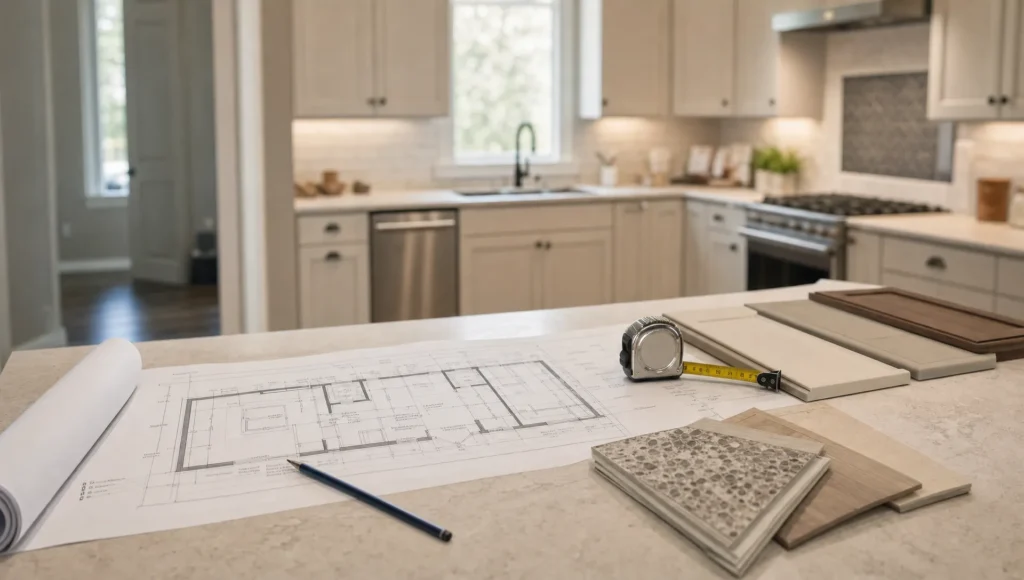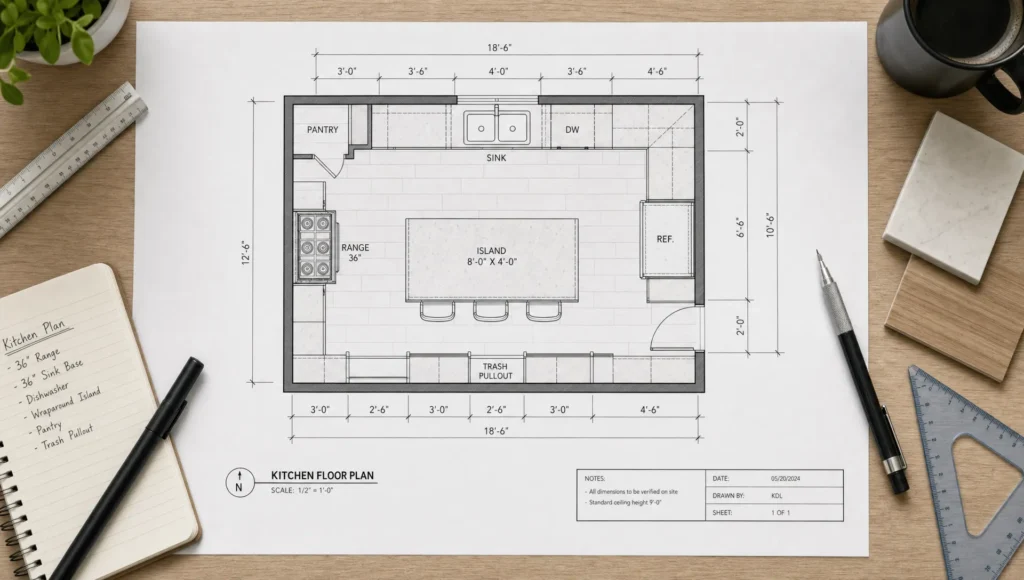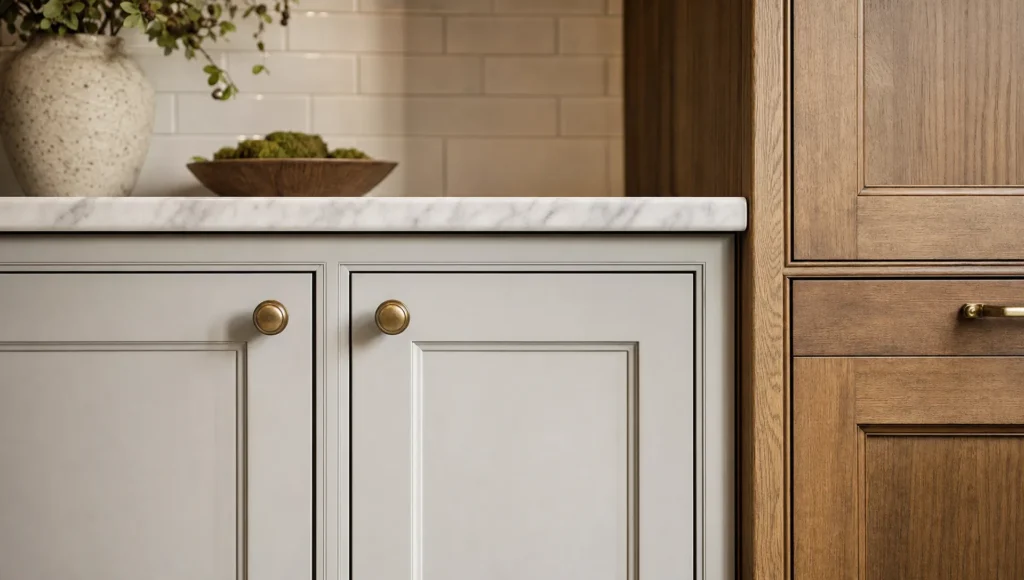
A traditional kitchen has a rare advantage: it already knows how to age well. The challenge is making it feel current without stripping away the warmth, detail, and character that make the style so beloved in the first place.
The freshest traditional kitchens today are not museum pieces. They combine classic cabinet profiles, natural materials, layered lighting, and familiar details with cleaner lines, better storage, and a lighter hand. Instead of copying a historic room exactly, they borrow the best parts and adapt them for real everyday living.
If you love timeless kitchens but do not want anything that feels heavy or dated, these traditional kitchen ideas will help you create a space that feels elegant, practical, and fresh today.
What makes a traditional kitchen feel fresh?
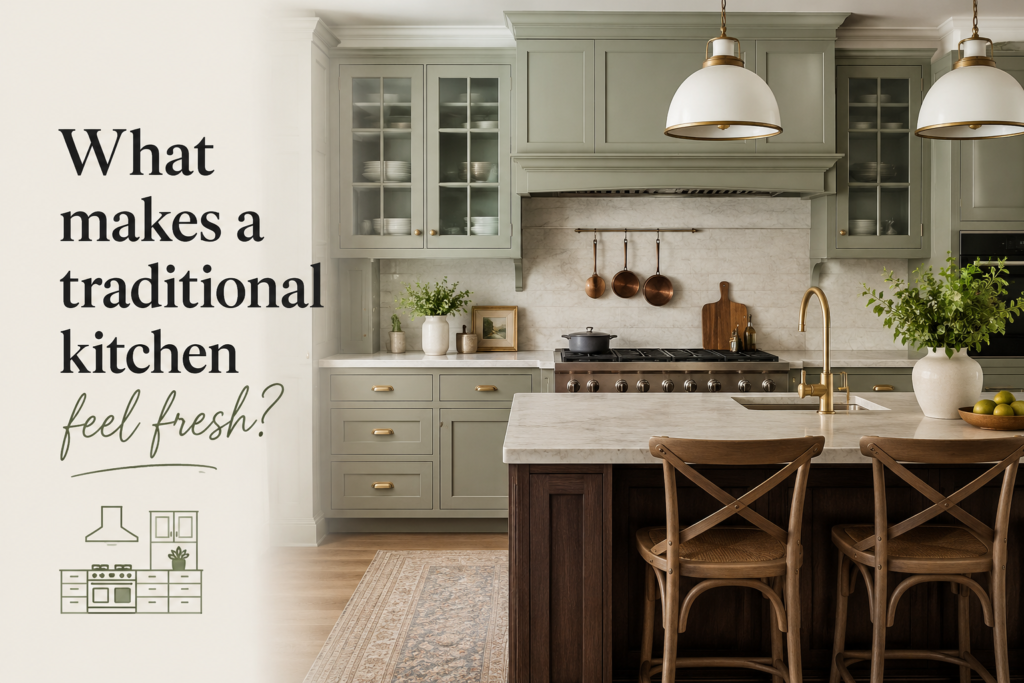
A traditional kitchen usually includes details like framed cabinetry, warm finishes, crown molding, stone countertops, classic tile, and decorative hardware. What makes it feel fresh is restraint. The best updated versions keep the craftsmanship but simplify the visual noise.
Think of it as balance. A raised-panel cabinet can look beautiful when paired with a calm wall color and clean countertop. A brass faucet can feel refined when the rest of the hardware is not overly ornate. A marble backsplash can feel modern when it is installed in a simple, unfussy shape.
The goal is not to hide the traditional foundation. It is to let each classic element breathe.
1. Choose classic cabinetry with cleaner profiles
Cabinetry sets the tone in any traditional kitchen. Shaker, inset, beaded, and raised-panel doors all work beautifully, but the key is choosing details that suit the size and light level of the room.
If your kitchen is small, a slimmer Shaker or recessed-panel door often feels fresher than a deeply carved profile. If your kitchen is large, inset cabinets with visible hinges can add heritage charm without feeling overdone. The trick is to avoid stacking too many decorative features at once. If the cabinet doors are detailed, keep the island, backsplash, and hardware quieter.
For a subtle update, consider mixing cabinet styles. You might use framed cabinets around the perimeter and flat-front drawers on the island. This keeps the traditional base intact while adding a modern rhythm.
2. Use warm whites instead of cold whites
White traditional kitchens are still popular, but the freshest versions avoid harsh, blue-based whites. Warm white, ivory, cream, soft linen, and gentle greige feel more inviting, especially when paired with natural wood or stone.
A warm white cabinet color also works well with classic materials such as marble, granite, oak, nickel, and brass. It softens shadows, flatters older architectural details, and makes the kitchen feel less sterile.
If you are worried cream cabinets will look yellow, test samples in morning, afternoon, and evening light. Traditional kitchens often rely on layered artificial lighting, so the same paint can shift dramatically from day to night.
3. Bring in wood for depth and warmth
Wood is one of the easiest ways to make a traditional kitchen feel grounded. It can appear through flooring, ceiling beams, a butcher block station, open shelving, bar stools, or a stained island.
Fresh traditional kitchens often use wood as contrast rather than covering every surface with it. For example, painted perimeter cabinets can look beautiful with a walnut island. Cream cabinets can feel richer with oak floors. A small glass-front hutch can feel more special when the inside is stained wood.
Mid-tone woods are especially versatile because they add warmth without making the kitchen feel dark. If you prefer a deeper palette, the ideas in this guide to brown kitchen ideas that feel warm, not dark can help you use rich wood tones in a balanced way.
4. Make the island feel like furniture
A furniture-style island is a classic traditional kitchen move, but it can still feel fresh when the proportions are clean. Look for details like turned legs, framed end panels, an open shelf, or a contrasting stain, then balance them with a simple countertop and practical storage.
Color is another way to make the island special. Deep green, muted navy, warm taupe, mushroom, charcoal, and stained oak all work well with traditional cabinets. The island can become the room’s focal point without requiring a full kitchen remodel.
To keep it current, avoid an island that is too ornate for the rest of the space. One or two furniture-inspired details are enough.
5. Pair raised-panel cabinets with simple surroundings
Raised-panel cabinetry can feel elegant and architectural, but it becomes dated when every nearby surface is equally busy. The freshest approach is to let raised panels be the decorative feature and simplify everything around them.
That might mean a smooth quartz or marble-look countertop, a quiet backsplash, a single metal finish, and minimal upper cabinet accessories. You can also use raised-panel doors only on the lower cabinets and choose glass-front or simpler uppers for visual relief.
This blend works especially well in older homes, where completely modern cabinets may feel out of place but overly ornate ones can make the kitchen seem stuck in the past.
6. Update the backsplash while keeping it timeless
A backsplash is a small surface with a big design impact. Traditional options like subway tile, marble, ceramic squares, beadboard, and stone mosaics all still work, but installation and finish make the difference.
For a fresher look, consider handmade-look tile with slight variation, a soft gloss finish, or an elongated subway shape. You can also run the backsplash higher behind the range or use the same stone as the countertop for a seamless effect.
If you have white cabinetry, you have even more flexibility. From marble-look porcelain to terracotta and subtle pattern, these kitchen backsplash ideas with white cabinets show how classic cabinets can support many different moods.
7. Choose stone surfaces with subtle movement
Natural stone and stone-look surfaces are a natural fit for traditional kitchens. Marble, granite, quartzite, soapstone, and quartz can all work, depending on your maintenance preferences and budget.
The freshest traditional kitchens usually avoid extremely busy countertop patterns unless the rest of the room is very simple. Soft veining, leathered or honed finishes, and warm background colors tend to feel more timeless than high-contrast slabs.
Granite can be especially successful when the color palette is carefully chosen. If you like the classic pairing of light cabinets and natural stone, this complete guide to white kitchen cabinets with granite countertops offers practical combinations to consider.
8. Layer the lighting instead of relying on one fixture
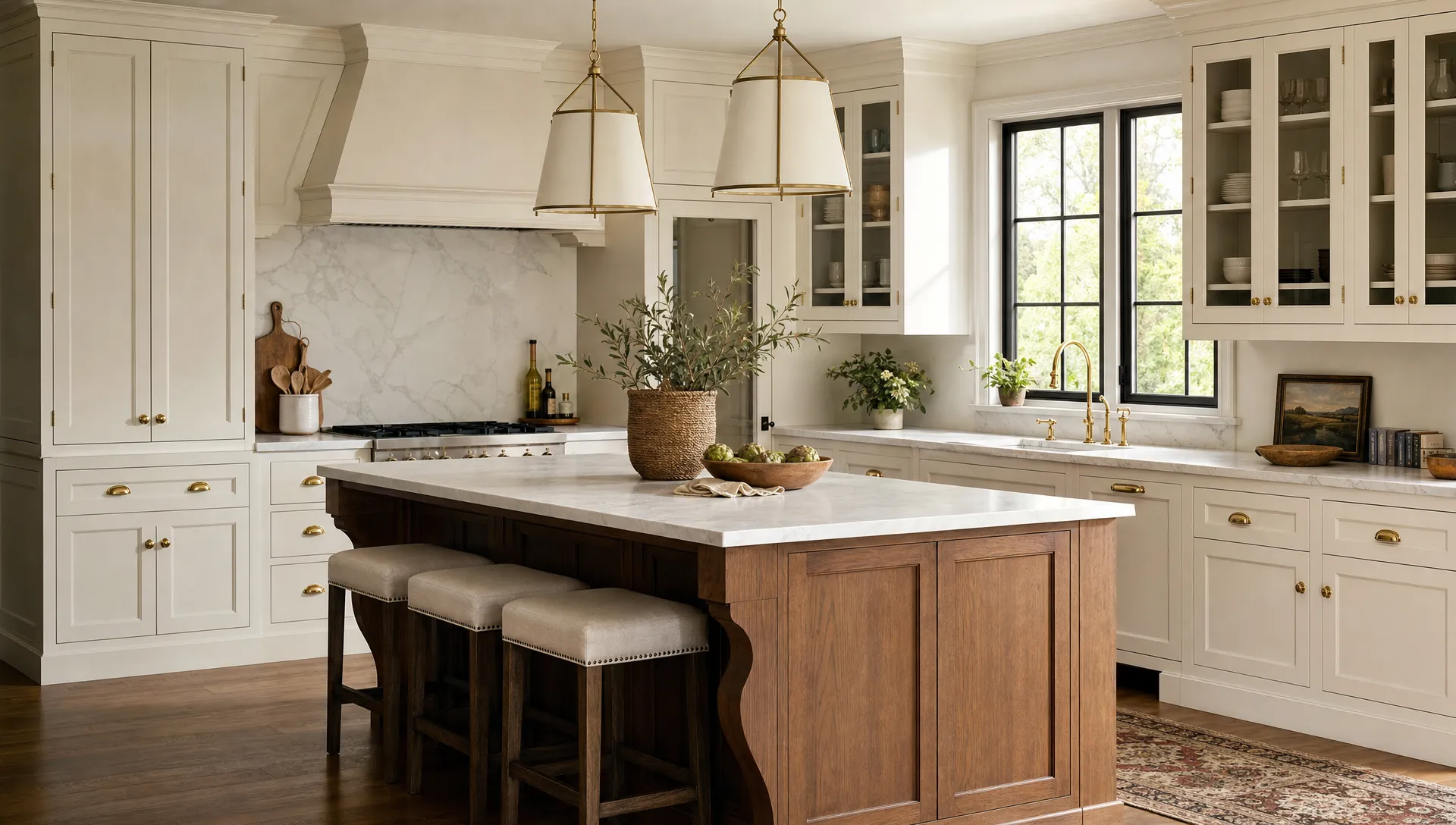
Traditional kitchens can feel dated when lighting is too dim or too formal. Fresh lighting is layered, practical, and warm.
Use recessed or ceiling lighting for general brightness, pendants over the island, sconces near open shelves or windows, and under-cabinet lighting for prep areas. This approach makes the kitchen more functional while also highlighting beautiful materials.
Lantern pendants, shaded sconces, aged brass fixtures, polished nickel, and milk glass can all feel traditional. To keep the look current, choose clean shapes and avoid fixtures that are too small. Scale matters. A large island usually needs substantial pendants, not tiny decorative lights.
9. Refresh hardware with timeless metals
Hardware is one of the simplest ways to modernize a traditional kitchen without changing the cabinets. Brass, polished nickel, satin nickel, bronze, and blackened metal can all work, but the shape should feel intentional.
Cup pulls, round knobs, cabinet latches, and simple bar pulls are classic options. Mixing knobs on doors and pulls on drawers creates a collected look that suits traditional spaces. If you mix metals, keep it controlled. For example, polished nickel plumbing can pair nicely with brass lighting, as long as each finish appears more than once.
Avoid overly elaborate handles if your cabinets already have detailed molding. Fresh traditional design is about editing, not adding decoration everywhere.
10. Add glass-front cabinets with restraint
Glass-front cabinets bring lightness to a traditional kitchen and break up a wall of solid doors. They are perfect for displaying everyday dishes, glassware, pitchers, or a small collection of serving pieces.
The key is editing what sits behind the glass. If the shelves become crowded, the kitchen will feel cluttered. Choose items in a limited color palette, such as white dishes, clear glass, and a few wood or metal accents.
For a more custom look, consider seeded glass, reeded glass, or mullion doors. These details add texture and soften what is stored inside, which makes the display easier to maintain.
11. Hide modern function inside traditional cabinets
A traditional kitchen does not need to function like an old kitchen. Modern storage can be built into classic cabinetry so the room looks timeless but works efficiently.
Useful upgrades include deep drawers for pots, tray dividers for baking sheets, pull-out trash storage, corner solutions, drawer organizers, spice pull-outs, and appliance garages. These details reduce countertop clutter, which is essential for making a traditional kitchen feel fresh.
The best storage choices are based on your habits. If you cook daily, prioritize prep zones and easy access to tools. If you entertain often, create storage for serving pieces and glassware near the dining area.
12. Make the range wall a focal point
Many traditional kitchens benefit from one strong focal point, and the range wall is a natural place to create it. A plaster-style hood, wood hood, framed tile detail, stone slab backsplash, or shallow mantel shelf can make the cooking area feel designed rather than purely functional.
To keep it from feeling heavy, balance the range feature with simpler cabinets nearby. If the hood is ornate, keep the backsplash quiet. If the tile has pattern, choose a simpler hood. This keeps the focal point clear and prevents competing details.
A range wall can also help a newer kitchen feel more established, especially in open-plan homes where the kitchen needs architectural character.
13. Use color in a softer, more traditional way
Traditional kitchens do not have to be white. In fact, some of the freshest versions use color in a muted, livable way. Soft sage, smoky blue, deep olive, warm taupe, putty, mushroom, and navy can all feel classic when paired with the right materials.
The secret is undertone. Traditional colors usually look best when they are slightly softened or grayed down. A very bright blue may feel trendy, while a muted slate blue can feel timeless. A sharp green may dominate, while a softened sage can act almost like a neutral.
If you are nervous about colorful cabinets, start with the island, pantry wall, or lower cabinets. This gives the kitchen personality while keeping the overall look flexible.
14. Soften the room with fabric and natural texture
Traditional kitchens feel best when they are not all hard surfaces. Fabric, woven texture, and organic accents bring comfort and make the space feel lived in.
Roman shades, cafe curtains, a vintage-inspired runner, linen towels, woven baskets, wood cutting boards, and ceramic crocks can all add softness. These details are easy to change seasonally, which helps the kitchen feel fresh without major updates.
Window treatments are especially useful in traditional kitchens because they add pattern and warmth at eye level. Choose simple fabrics like ticking stripe, small-scale floral, gingham, linen, or a soft solid. The goal is charm, not clutter.
15. Keep decorative details edited
Traditional style welcomes detail, but too many decorative choices can make a kitchen feel old-fashioned. Crown molding, corbels, turned legs, carved panels, patterned tile, ornate lighting, and detailed hardware should not all compete in the same room.
A good rule is to choose a few hero details and simplify the rest. Maybe your kitchen has beautiful crown molding, a furniture-style island, and brass latches. That may be enough. Let those elements shine instead of adding more trim and accessories.
Negative space is what makes traditional design feel fresh. A clear countertop, a quiet wall, or a simple cabinet run gives the eye a place to rest.
Traditional kitchen choices that feel dated now
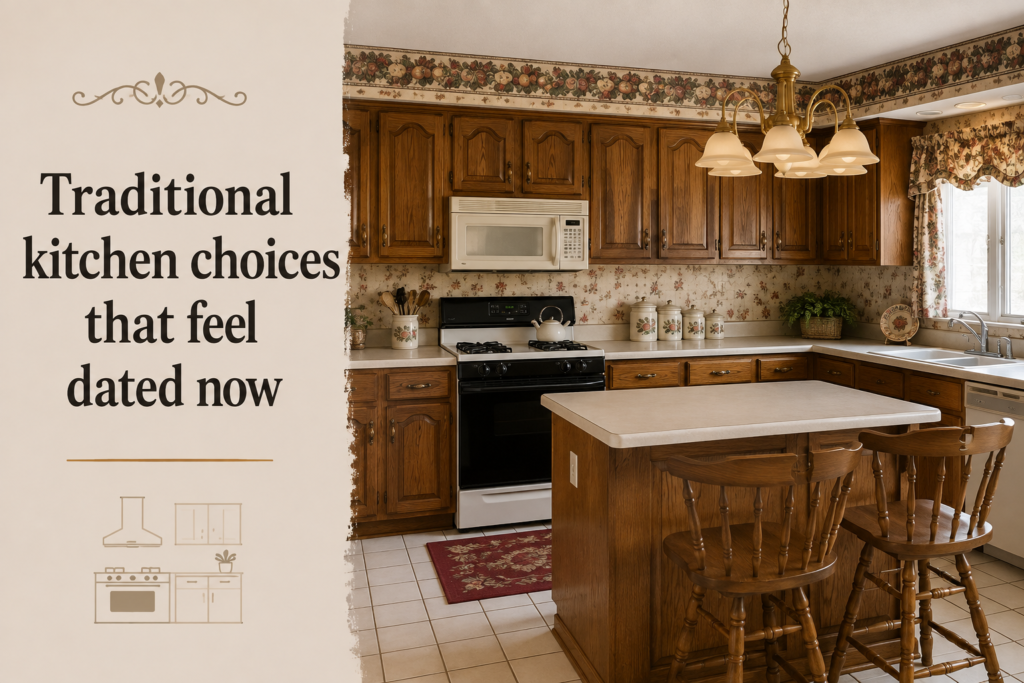
Not every classic detail needs to stay. If your goal is a traditional kitchen that feels current, it helps to know what to avoid.
Overly glazed cabinets, heavy scrollwork, short upper cabinets with dusty decor above them, crowded countertop displays, and too many competing wood tones can make a kitchen feel older than it is. Very dark rooms without enough lighting can also work against the warmth of traditional style.
This does not mean you need to remove every older feature. Often, one smart change can shift the whole room. New hardware, a lighter wall color, updated lighting, or a simplified backsplash can make existing cabinets feel more intentional.
How to plan your own fresh traditional kitchen
Before choosing finishes, decide what you want the room to feel like. Some traditional kitchens lean elegant and formal. Others feel cottage-inspired, farmhouse-adjacent, or tailored and classic. Once you define the mood, every design choice becomes easier.
Start with the fixed elements, such as flooring, cabinet layout, natural light, and appliance placement. Then choose your cabinet color, countertop, backsplash, hardware, lighting, and decorative details in that order. This helps prevent a common mistake: falling in love with separate pieces that do not work together.
If you are planning a larger update, it can help to review broader kitchen remodelling ideas so you can balance style changes with layout, storage, and everyday usability.
Create a kitchen that feels classic, not stuck in time
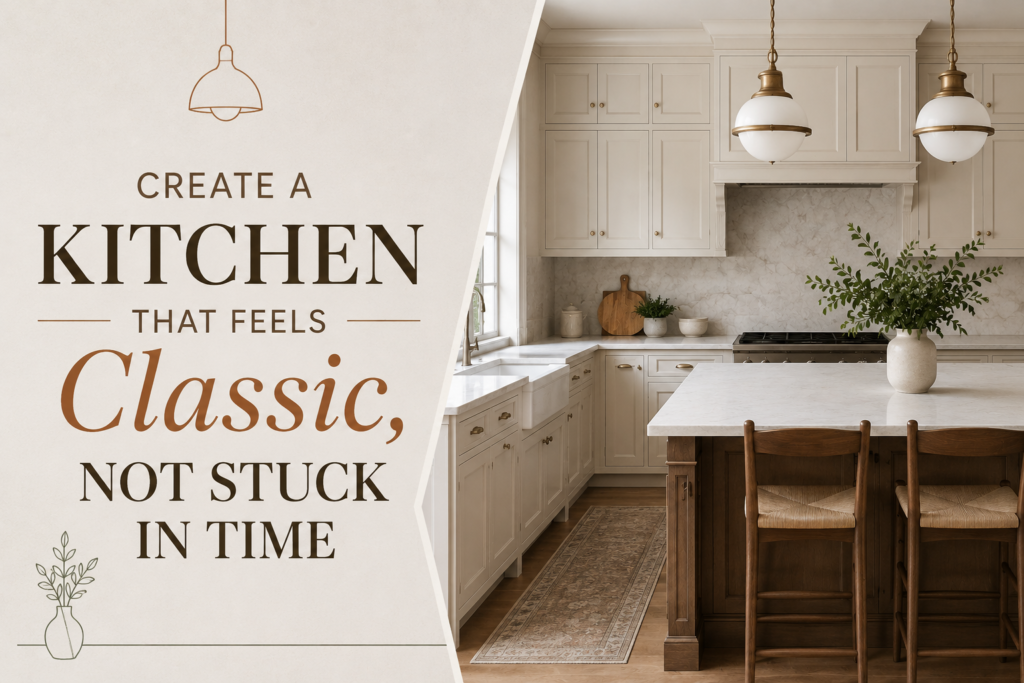
A fresh traditional kitchen is all about balance. Keep the warmth, craftsmanship, and familiar details, then pair them with cleaner lines, smarter storage, better lighting, and a more edited palette.
Whether you are changing hardware or planning a full renovation, Kitchen Campaign offers practical inspiration for creating a kitchen that feels beautiful, useful, and personal. Explore more ideas at Kitchen Campaign as you plan your next update.
Conclusion
A fresh traditional kitchen does not need to choose between timeless character and modern functionality. The best designs bring together classic cabinetry, warm colors, natural materials, thoughtful lighting, and carefully selected decorative details while keeping the overall look clean and balanced. Small updates, such as new hardware, softer paint colors, improved storage, or a simpler backsplash, can make a noticeable difference without losing the charm of traditional style.
Whether you are refreshing an existing kitchen or planning a complete renovation, focus on creating a space that feels comfortable, practical, and personal. By choosing classic elements with a lighter, more edited approach, you can enjoy a traditional kitchen that feels elegant today and will continue to look beautiful for years to come.
FAQ’S…
What defines a traditional kitchen?
A traditional kitchen usually features classic cabinet profiles, warm materials, decorative hardware, stone or stone-look countertops, layered lighting, and architectural details like crown molding or furniture-style elements.
How do you make a traditional kitchen look more modern?
Keep the classic foundation but simplify the details. Use cleaner cabinet profiles, updated lighting, warm neutral paint, subtle countertops, organized storage, and restrained decor.
Are traditional kitchens still in style?
Yes, traditional kitchens remain popular because they are warm, flexible, and timeless. The most current versions feel lighter, less ornate, and more functional than older traditional designs.
What colors work best in a traditional kitchen?
Warm white, cream, taupe, greige, sage, navy, mushroom, soft blue, and rich wood tones all work well. Muted colors tend to feel more timeless than very bright shades.
Can a traditional kitchen include modern appliances?
Absolutely. Modern appliances can fit beautifully when they are surrounded by classic cabinetry, integrated panels, balanced finishes, and thoughtful storage.