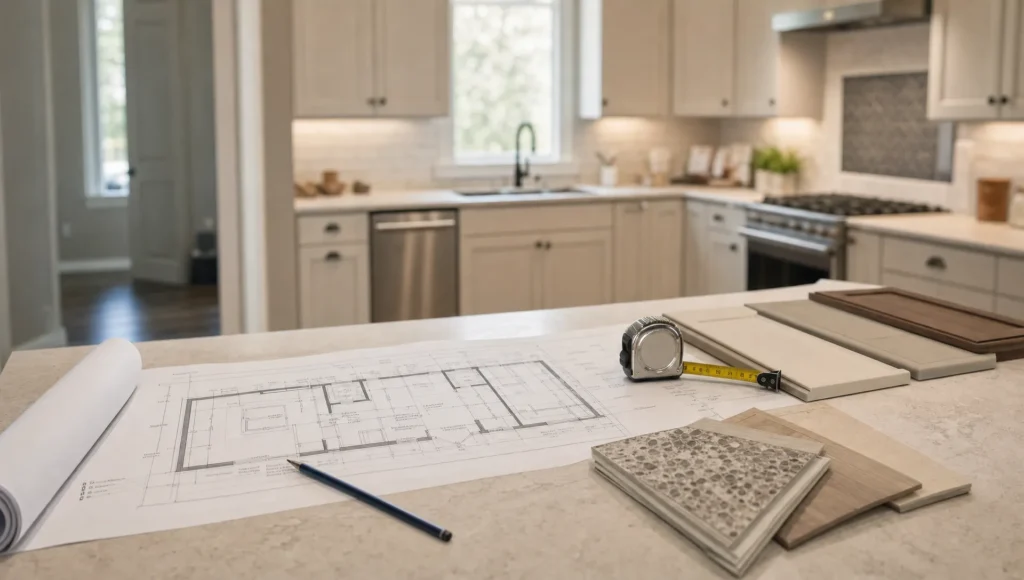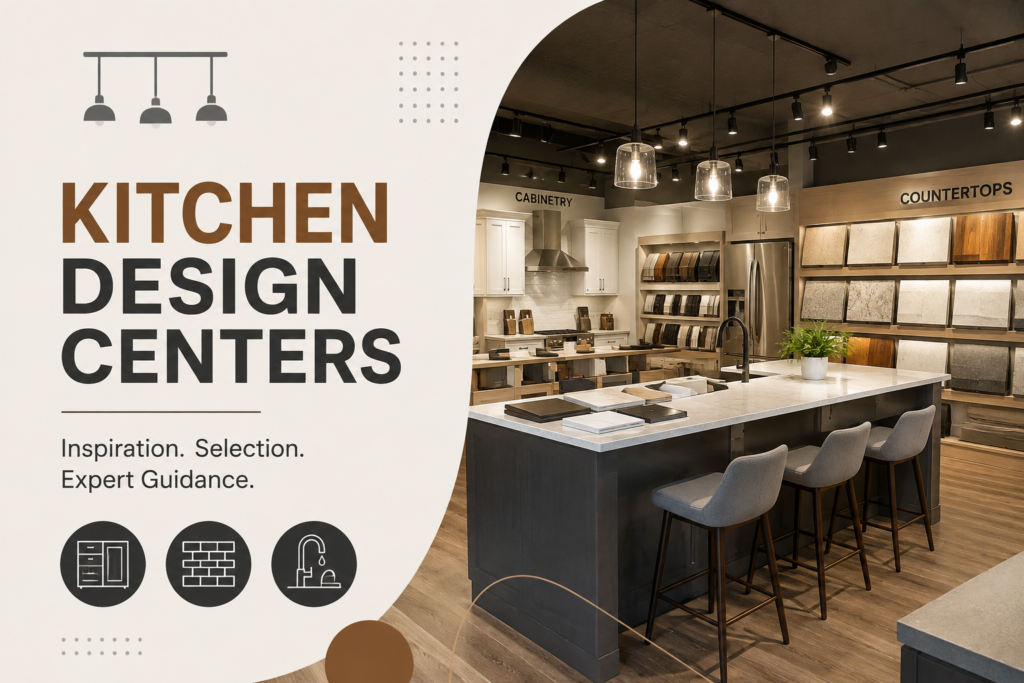
Walking into a kitchen design center can feel exciting and slightly overwhelming. You are surrounded by cabinet doors, countertop slabs, faucet finishes, storage inserts, appliance displays and polished sample kitchens that make every option look possible. The goal is not to pick the prettiest display in the room. The goal is to learn what fits your home, your habits and your budget before you commit.
Good kitchen design centers do more than sell products. They help you translate ideas into measurements, layouts, materials, timelines and decisions. Before you buy cabinets, counters or a full remodel package, it helps to know how the process works and which questions protect you from expensive surprises.
What Kitchen Design Centers Actually Do
Kitchen design centers are part showroom, part planning studio. Some are independent cabinet dealers. Others are connected to home improvement stores, appliance showrooms, countertop fabricators or full-service remodeling companies. The experience can vary, but most centers help homeowners compare styles, choose materials and create a kitchen plan that can be priced more accurately than a casual online estimate.
Before you get deep into design choices, ask what type of business you are visiting. Are they only selling cabinets? Do they coordinate installation? Do they handle countertops, plumbing, electrical work and permits? Do they work with your contractor or require their own installation team? These answers matter because a beautiful design is only useful if the buying, delivery and installation process is clear.
A strong design center should also help you separate inspiration from reality. A kitchen design centers island might look perfect in a display, but your room may need better traffic flow instead. A dramatic dark cabinet color may look elegant under showroom lighting, but it may feel heavy in a small kitchen with one window. The best visit gives you confidence, not pressure.
What to Bring Before Your First Appointment

You do not need a professional floor plan for a first visit, but showing up prepared will make the appointment more useful. Designers can give better feedback when they understand your existing space, your pain points and the level of change you are considering.
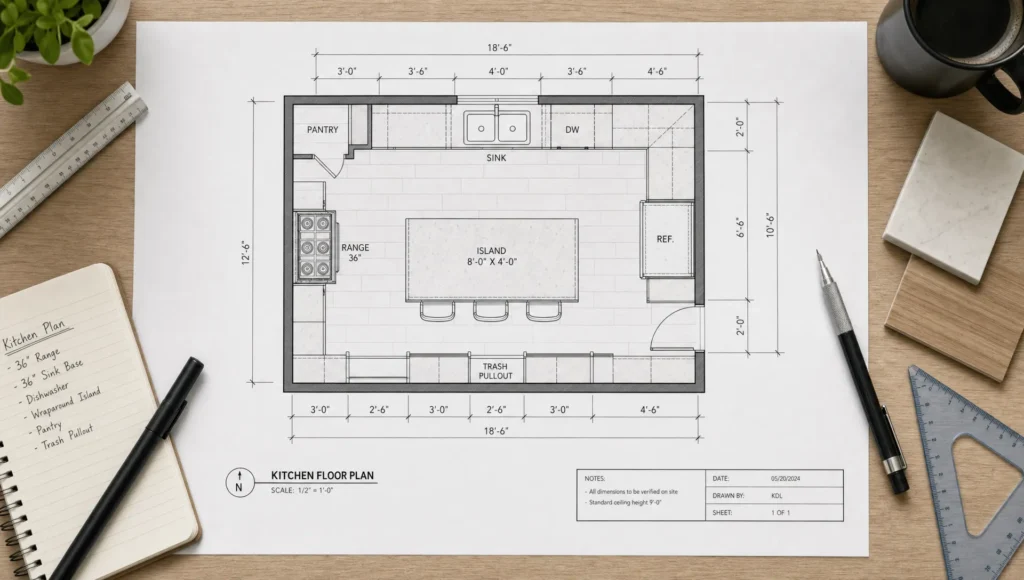
Bring basic wall measurements, ceiling height, window locations, door openings and photos from several angles. If you have appliance model numbers or sizes, bring those too. Even rough measurements can help the kitchen design centers designer discuss layout possibilities, but most reputable centers will still require a professional field measurement before finalizing an order.
It also helps to bring a short wish list. Think about what annoys you in your current kitchen. Maybe your trash can is always in the way, your pantry is too shallow, your drawers are overloaded or two people cannot cook at the same time. These everyday details often matter more than the cabinet color.
Useful items to bring include:
- Photos and short videos of your current kitchen from every corner
- Rough measurements of walls, windows, doors and ceiling height
- A list of appliances you plan to keep or replace
- Inspiration photos that show colors, layouts or storage ideas you like
- A realistic budget range, even if it is broad
- Notes about how your household cooks, shops, entertains and cleans
If you are still trying to map the room before your appointment, Kitchen Campaign has a helpful guide to kitchen drawings that help you plan every detail so you can arrive with clearer dimensions and layout ideas.
What Happens During the Showroom Tour
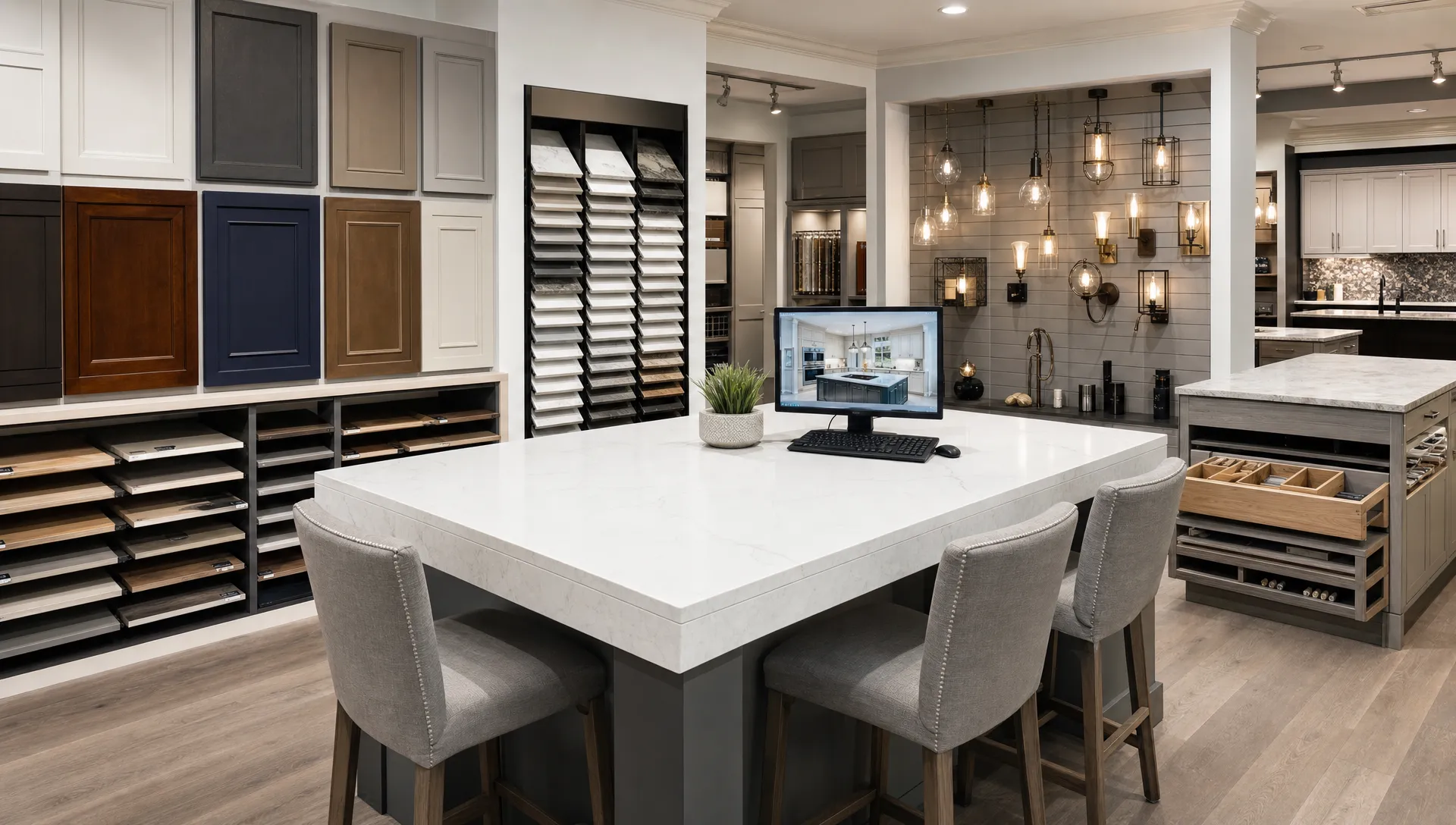
The showroom tour is where kitchen design centers become useful in a way online browsing cannot. You can open cabinet drawers, compare hinge quality, feel countertop textures, test pull sizes and see how finishes change under different lighting. This hands-on step is especially valuable because small details can affect daily comfort for years.
Expect the designer kitchen design centers or showroom consultant to ask about your preferred style, but they should also ask practical questions. How many people cook at once? Do you need landing space near the refrigerator? Do you buy in bulk? Do you want drawers instead of lower cabinet doors? Where do small appliances live when they are not in use?
Use the showroom to test function, not just appearance. Open drawers fully. Pull out pantry inserts. Stand at an island display and imagine unloading groceries. Compare matte and polished surfaces for fingerprints. Hold cabinet hardware in your hand. These small tests help you avoid choosing materials based only on a photo.
| Showroom area | What to test | What to ask before buying |
|---|---|---|
| Cabinet displays | Drawer glide, hinge feel, interior finish and door style | What is standard and what is an upgrade? |
| Countertop samples | Texture, edge profiles, color variation and maintenance needs | Is the sample typical of the full slab or batch? |
| Storage inserts | Pull-outs, tray dividers, trash systems and pantry options | Which inserts fit my cabinet sizes? |
| Lighting displays | Under-cabinet lighting, pendants and recessed light placement | What electrical work is required? |
| Hardware boards | Pull length, grip comfort and finish | Will this finish match faucets and appliances? |
| Appliance areas | Refrigerator clearance, range width and ventilation needs | Are these dimensions built into the design? |
The First Design Consultation Usually Starts Broad
Your first kitchen design centers consultation will often feel like a discovery session. The designer may sketch ideas, discuss layout options and show you product lines that fit your price range. They may also explain cabinet construction differences, countertop categories, finish options and installation steps.
Do not expect a final plan from one conversation. A preliminary design is usually based on your measurements and goals. Final cabinet orders should be based on verified measurements, appliance specifications and an approved layout. If a center wants you to sign off on a large order without a careful measurement process, slow down.
This is also where you will learn whether your wishlist conflicts with your space. You might want a larger refrigerator, but that choice could reduce pantry storage. You may love a wide island, but your aisles may become too tight. A good designer will explain tradeoffs clearly and help you choose the option that supports how you actually use the kitchen.
How Designers Turn Preferences Into a Plan
After the initial consultation, many kitchen design centers create a layout or rendering. This may include cabinet elevations, appliance placement, storage zones and finish selections. Renderings are useful because they help you picture the finished kitchen, but they are not the same as construction documents. Always ask what the drawings include and what they do not.
The plan should account for clearances, door swings, appliance openings, countertop overhangs, filler pieces, trim and moldings. These details are easy to overlook when you are focused on style, yet they can determine whether the kitchen works smoothly after installation.
If your project is still in the idea stage, it can help to review broader kitchen remodelling ideas before you finalize a showroom plan. Seeing how layout, lighting, cabinetry and storage work together makes it easier to judge whether a design center proposal is complete.
Modern Features You May Be Asked About
Many kitchen design centers will ask which modern features matter to you. In 2026, homeowners are still drawn to kitchens that feel open, durable, easy to clean and well organized. That does not mean every kitchen needs the same island, the same white cabinets or the same smart appliance package. It means the best design should support daily routines without feeling dated too quickly.
Common modern priorities include layered lighting, deep drawers, hidden trash storage, durable countertops, better pantry access, charging areas and flexible seating. Open layouts and islands remain popular where the floor plan allows them, but peninsulas, closed kitchens and compact galley kitchens can work just as well when designed carefully.
These preferences also show up in other housing categories. For example, this guide to modern kitchen features buyers love in manufactured homes highlights practical features such as open layouts, islands or peninsulas, storage, durable surfaces, layered lighting and timeless finishes.
If technology is part of your wishlist, ask the design center how smart features will affect wiring, outlets and workflow. Smart lighting, plugs and appliances are easiest to plan before cabinets and counters are ordered. Kitchen Campaign also has a practical guide on how to build a smart kitchen without adding gadgets that create clutter.
What to Expect From Pricing and Quotes
Kitchen design center pricing can be confusing because quotes often include different scopes. One estimate may cover cabinets only. Another may include cabinets, countertops, hardware, delivery and installation. A third may include design services, project coordination, demolition or trade work. You cannot compare prices fairly until you know what each quote includes.
Ask for an itemized quote whenever possible. If the center uses package pricing, ask for a written scope that explains the exact products and services. The goal is not to challenge every line item. The goal is to prevent misunderstandings after you have paid a deposit.
| Quote component | What it can include | What to confirm |
|---|---|---|
| Design fee or retainer | Consultation time, drawings or revisions | Is it refundable or credited toward purchase? |
| Cabinets | Boxes, doors, drawers, trim, fillers and panels | Which cabinet line and construction level are quoted? |
| Countertops | Material, template, fabrication and installation | Are sink cutouts, edges and backsplash included? |
| Installation labor | Cabinet setting, trim and adjustments | Who performs the work and who manages issues? |
| Trade work | Plumbing, electrical, ventilation or permits | Is this included or handled by others? |
| Delivery | Shipping, storage or site delivery | What happens if items arrive damaged? |
| Warranty | Product and labor coverage | Who do you contact after installation? |
A quote should also explain taxes, payment schedule, change order rules and expected lead times. Cabinet lead times can vary by manufacturer, finish, customization level and season. Countertops often require a separate template after cabinets are installed, which can add time between cabinet installation and final completion.
Green Flags and Red Flags at Kitchen Design Centers
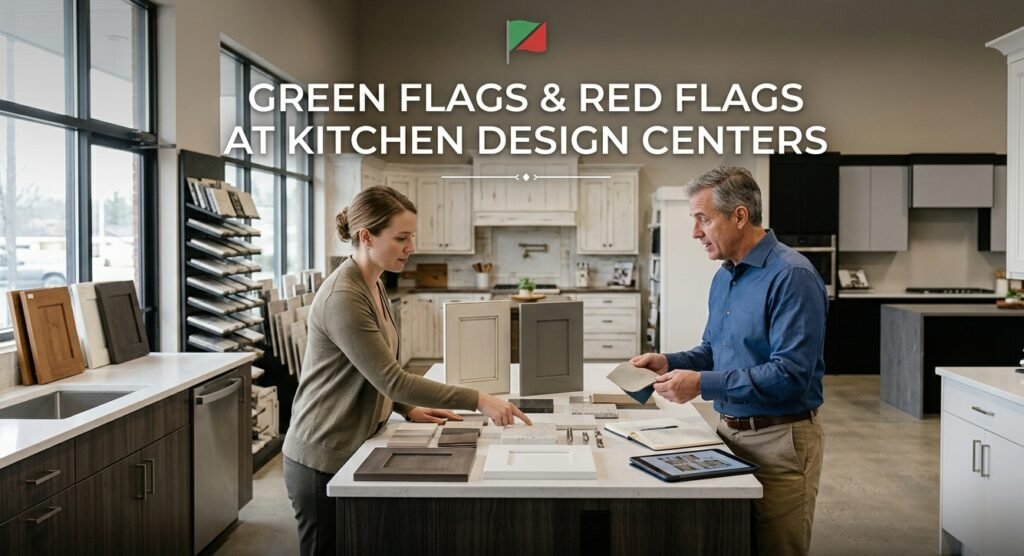
The best kitchen design centers are transparent. They explain options without making you feel rushed. They welcome questions, provide written information and talk openly about limitations. They also understand that a kitchen purchase is a major decision, not an impulse buy.
Pressure is the biggest warning sign. Be cautious if a salesperson pushes a same-day discount before you have a finished design, verified measurements or a written scope. A temporary promotion is not worth signing a contract you do not understand.
| Green flag | Red flag |
|---|---|
| The designer asks about your cooking habits and storage needs | The conversation focuses only on color and style |
| Measurements are verified before final ordering | You are asked to approve an order based only on rough dimensions |
| The quote explains inclusions and exclusions | The price sounds low but the scope is vague |
| You can take samples home or view them in different lighting | You are pushed to choose finishes only in the showroom |
| Warranty and service contacts are explained | No one can explain what happens after installation |
| Change order rules are clear | Verbal promises are not added to the written scope |
How to Compare Multiple Kitchen Design Centers
Visiting more than one kitchen design center is often worth the time, especially for a large remodel. The key is to compare similar scopes. A cabinet-only quote from one showroom should not be compared to a full remodel quote from another without adjusting for labor, countertops, trades and project management.
Look beyond the final number. A slightly higher quote may include better drawer construction, more detailed design support or a clearer installation process. A lower quote may still be the right choice, but only if you understand what you are giving up.
Pay attention to communication style too. Did the designer listen carefully? Did they explain tradeoffs? Did the proposal reflect your priorities? A kitchen project can last weeks or months, so responsiveness and clarity are part of the value.
Common Mistakes to Avoid
One common mistake is choosing finishes only under showroom lighting. Cabinet colors, countertop tones and metal finishes can look different at home. If possible, take samples into your kitchen and view them in morning light, evening light and artificial light.
Another mistake is buying appliances too late. Appliance dimensions affect cabinet openings, panels, ventilation and clearances. Even if you have not purchased appliances yet, choose models or exact specifications early enough for the designer to plan around them.
Homeowners also underestimate storage details. A beautiful kitchen can still be frustrating if there is no place for trash, cutting boards, baking sheets, cleaning supplies or small appliances. During your design center visit, ask the designer to walk through a normal day in the kitchen and show where everything would go.
Finally, do not skip the written scope. Verbal conversations are easy to forget once installation begins. The final paperwork should match the products, finishes, measurements, services and responsibilities you agreed to.
Before You Buy, Use the Visit as a Reality Check

Kitchen design centers can be one of the most useful steps in a remodel, but only if you approach them with the right mindset. Use the showroom to touch materials, test storage, ask detailed questions and understand the real cost of your choices. Do not rush from inspiration to contract without verified measurements, a written scope and a clear timeline.
Before you buy, compare more than color and price. Compare how each design center listens, explains, documents and supports the project after the sale. That is how you turn a showroom visit into a kitchen that looks good and works well every day.
Conclusion
Choosing the right kitchen design centers can make the difference between a stressful remodel and a well-planned kitchen that works for your everyday needs. A good design center should do more than showcase attractive cabinets and countertops—it should help you understand layouts, materials, storage solutions, pricing, installation, timelines, and potential challenges before you make a major investment.
Before committing, take time to compare different kitchen design centers, review itemized quotes, verify measurements, check what is included, and ask about warranties and installation responsibilities. Pay attention not only to the products and price but also to how clearly the design team communicates and responds to your questions.
Ultimately, the best kitchen design centers help turn your ideas into a practical, functional, and comfortable kitchen. By arriving prepared, testing materials, asking the right questions, and avoiding rushed decisions, you can move from showroom inspiration to a kitchen design that fits your home, lifestyle, and budget.
FAQ’S…
Do kitchen design centers charge for consultations?
Some kitchen design centers offer free initial consultations, while others charge a design fee or retainer. Ask before booking and confirm whether any fee is credited toward your purchase.
Should I bring my contractor to a kitchen design center?
It can be helpful, especially when visiting kitchen design centers for projects involving walls, plumbing, electrical work, or structural changes. Your contractor can flag site conditions that may affect the design and budget.
Can I buy cabinets from a design center and use my own installer?
Many kitchen design centers allow customers to purchase cabinets and use their own installers, while others require approved installers or offer installation as part of the package. Confirm the policy and ask how warranty coverage works with your preferred installer.
Are showroom displays at kitchen design centers the same quality as what I will receive?
Not always. Displays at kitchen design centers may include upgrades such as premium drawer glides, specialty inserts, or high-end finishes. Ask the designer to identify which features are standard and which are upgrades in your quote.
When is the right time to visit kitchen design centers?
The best time to visit kitchen design centers is after you have a rough budget, basic measurements, and a clear idea of what you want to improve. You do not need every detail decided before your first visit.
Is the first quote from kitchen design centers the final price?
Usually not. Quotes from kitchen design centers can change after field measurements, design revisions, appliance selections, countertop choices, and installation details. Treat the first quote as a planning estimate unless the scope is fully verified and documented.