If you are planning a kitchen renovation, one of the first questions you will probably ask is: How long does a kitchen remodel take? The honest answer is that there is no single timeline for every home.
A small kitchen update may take only a few weeks, while a complete renovation involving new cabinets, countertops, plumbing, electrical work, flooring, appliances, and layout changes can take several months. The final schedule depends on the size of the project, the materials you choose, contractor availability, permits, deliveries, and how many changes are made after construction begins.
The good news is that understanding the process makes the renovation much easier to manage. When you know what happens during each stage, you can make decisions earlier, prepare your household, and reduce unnecessary delays. In this guide, we will explain how long a kitchen remodel takes, what happens during each stage, which factors can extend the timeline, and what you can do to keep your project moving.
How Long Does a Kitchen Remodel Take on Average?
So, how long does a kitchen remodel take from beginning to end?
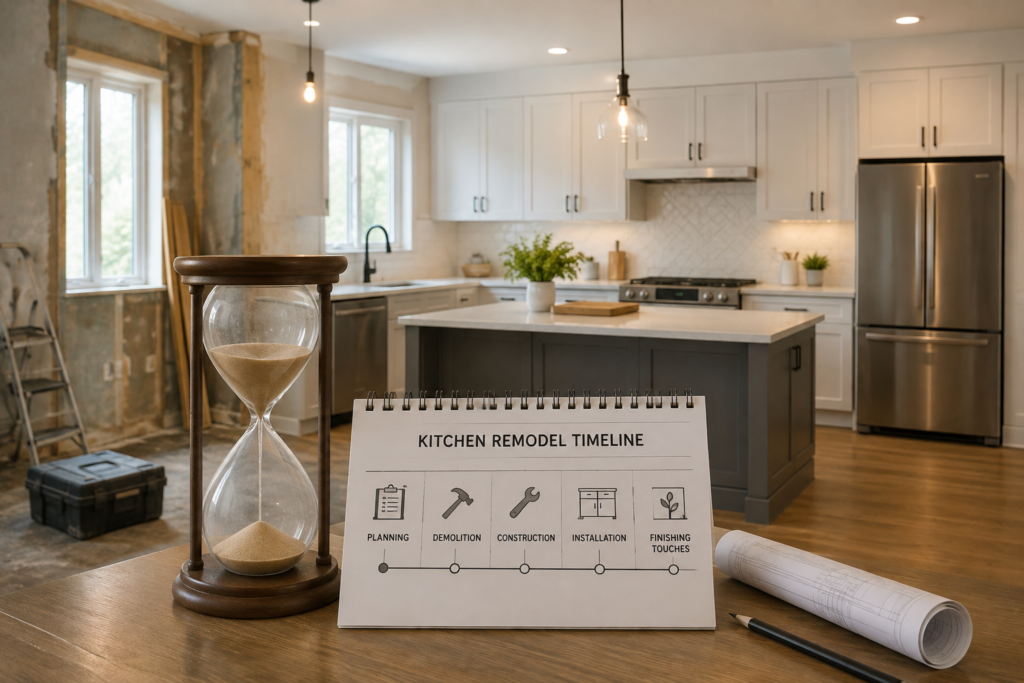
For many standard kitchen renovations, construction can take approximately 6 to 12 weeks. A more extensive renovation that changes the kitchen layout or involves major plumbing and electrical work may take 3 to 5 months. Some complex projects can take even longer when custom materials, permits, structural changes, or unexpected problems are involved.
It is also important to separate the planning and design phase from the actual construction period. Planning may take several weeks before demolition even starts. For example, one source provided for this article reports that a regular renovation can take roughly 6 to 12 weeks, while the planning and design phase may add another 2 to 4 weeks. Another source places construction for a typical project around 5 to 7 weeks, depending on the details. Therefore, instead of asking only how long does a kitchen remodel take, it is better to think about the project in two parts:
- Planning and preparation
- Demolition and construction
The more complicated the renovation, the more important it becomes to allow extra time.
Kitchen Remodeling Planning Phase

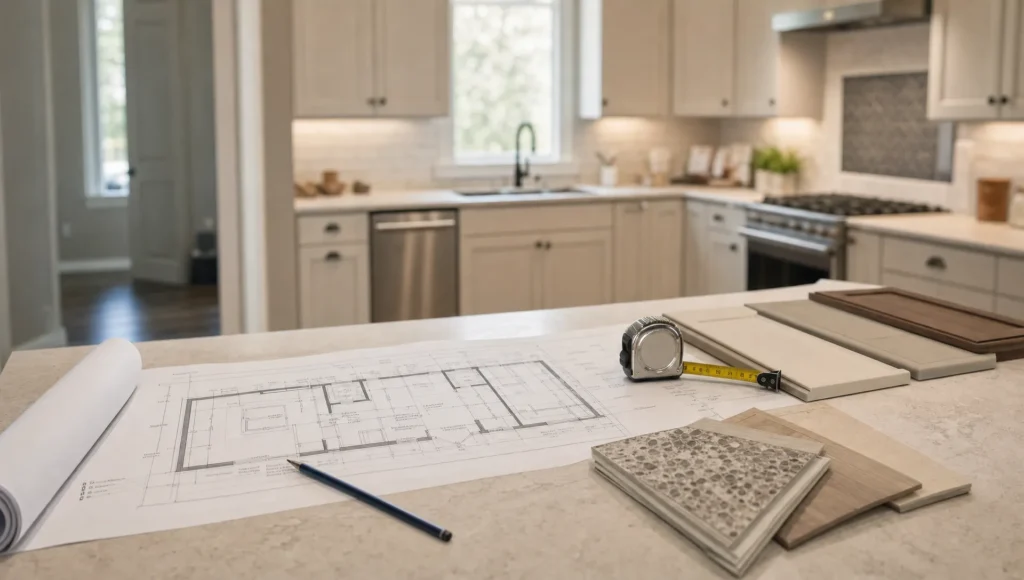
Before asking how long does a kitchen remodel take, remember that construction is only one part of the process. The planning stage can take anywhere from a couple of weeks to several weeks, depending on how complicated your project is and how quickly you make decisions.
During this phase, you may need to:
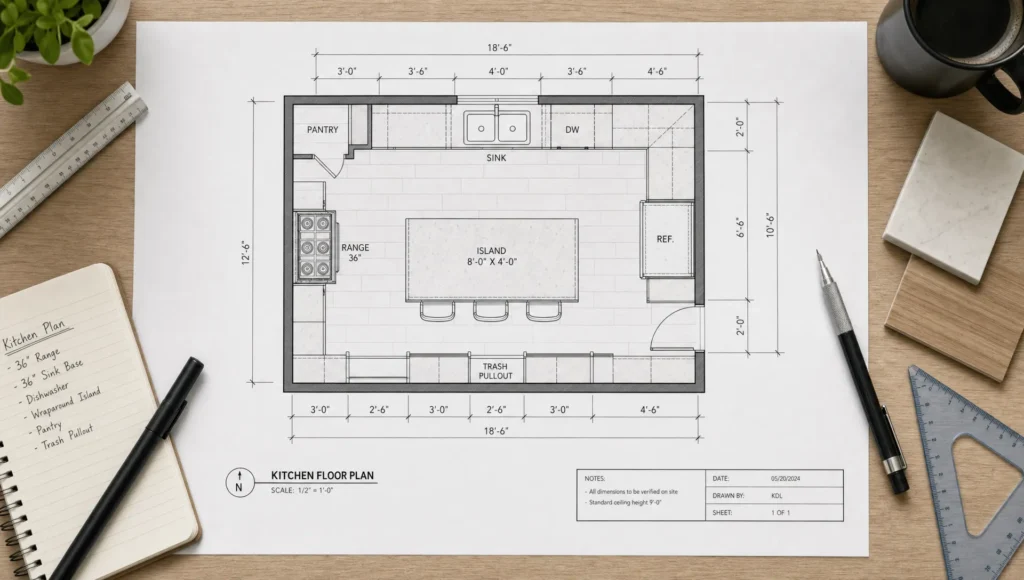
- Measure the existing kitchen
- Create a new kitchen layout
- Decide whether walls will move
- Choose cabinets
- Select countertops
- Choose appliances
- Plan lighting
- Determine plumbing changes
- Select flooring and backsplash
- Review drawings and renderings
- Establish a budget
- Apply for required permits
This is also the best time to make changes.
If you discover that the refrigerator is too large for your planned cabinet layout before construction begins, it is relatively easy to adjust the design. Discovering the same problem after cabinets have been ordered or installed is much more frustrating.
That is why detailed planning can actually save time later.
Choosing Appliances Early Can Prevent Delays
One of the most useful lessons from the supplied sources is to choose appliances early.
This might seem surprising. After all, many homeowners think cabinets and countertops should be selected first. However, appliance dimensions can directly affect the cabinet layout. A refrigerator that is deeper than expected may change the way a cabinet run looks. A larger range may require different spacing. A dishwasher determines the width of a cabinet opening. A wall oven affects the height and arrangement of surrounding cabinetry. Therefore, selecting your appliances before finalizing the design can reduce the chance of having to redraw plans.
If you are replacing appliances, you can also research energy-efficient options through ENERGY STAR’s product resources. ENERGY STAR provides information about certified refrigerators, dishwashers, cooking products, and other home appliances.
Ordering Cabinets, Countertops, and Materials
Once your design is finalized, materials can be ordered.
This stage is one of the biggest reasons the answer to how long does a kitchen remodel take can vary from one project to another. Standard products may be available relatively quickly, while custom cabinets, specialty countertops, designer fixtures, and unusual finishes can require longer lead times. For this reason, it is wise to order important materials as early as practical. You do not want your contractor to finish demolition only to discover that the cabinets will not arrive for another six weeks.
A well-organized remodeling schedule coordinates deliveries with the construction sequence. Materials should ideally arrive when the team is ready to use them, rather than sitting in the home for weeks.
Kitchen Demolition: Usually 1 to 3 Days
Once planning, ordering, and preparation are complete, construction can begin.
Demolition is often one of the fastest stages, although the exact duration depends on what needs to be removed.
A basic demolition may involve removing:
- Existing cabinets
- Countertops
- Appliances
- Flooring
- Backsplash
- Old fixtures
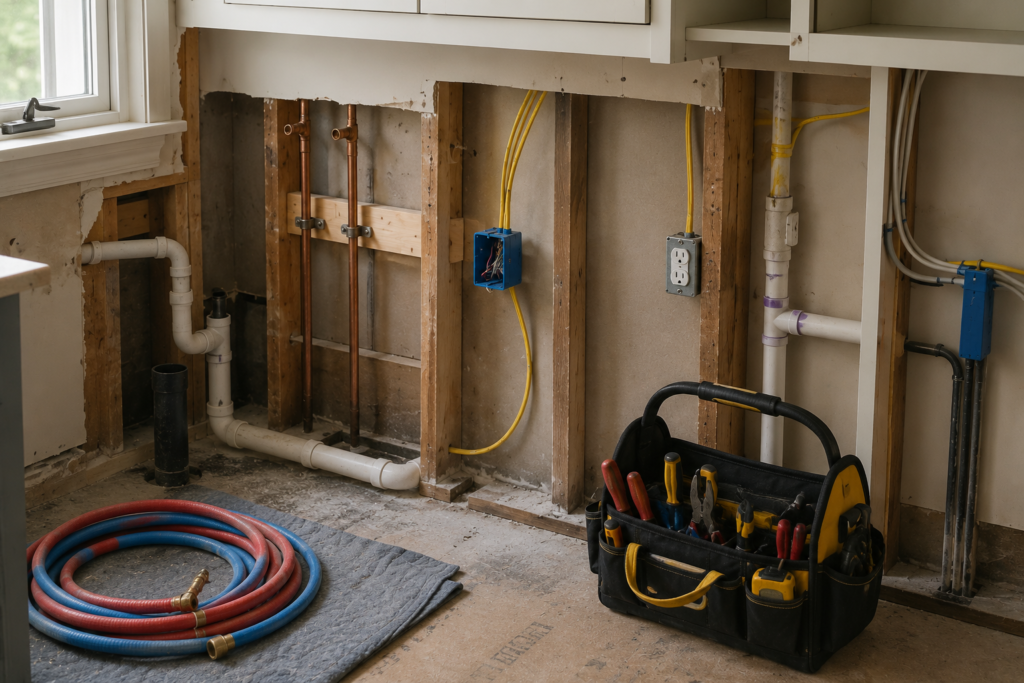
More extensive projects may also involve removing walls or opening sections of the floor and ceiling for new plumbing and electrical work. Although demolition can be exciting because you finally see the old kitchen disappear, it can also reveal hidden problems. For example, contractors may discover damaged flooring, outdated wiring, water damage, or plumbing issues that were not visible before the walls or cabinets were removed. These discoveries can change the answer to how long does a kitchen remodel take because repairs may need to happen before the new kitchen can be installed.
Plumbing and Electrical Changes Can Extend the Timeline
If you are keeping your existing kitchen layout, the project may move relatively quickly.
However, moving the sink, dishwasher, range, refrigerator water line, electrical outlets, or lighting can add additional work. Permits may also be required depending on your location and the type of work being performed. Structural changes and modifications to plumbing or electrical systems commonly trigger permit requirements. Local rules always take priority, so homeowners should check with the relevant building authority or work with a qualified professional. This is another reason to finalize your layout before construction starts.
Changing the location of a sink after plumbing work has already begun can create unnecessary rework.
Cabinet Installation Is a Major Milestone
When the cabinets arrive, the project starts to look like a real kitchen again. Cabinet installation requires careful measurement and alignment. Even small errors can affect countertop fitting, appliance placement, doors, drawers, and trim. If you selected custom cabinetry, installation may also involve more detailed fitting. This is why it is important not to rush this stage simply to make the renovation finish faster. A well-installed cabinet system provides the foundation for the rest of the kitchen. If you are investing in new cabinetry, prioritize quality construction, practical storage, durable finishes, and a layout that matches how you actually use the room. Saving a few days is rarely worth sacrificing the quality of a feature you will use every day.
Countertop Installation Comes After Cabinet Placement
Countertops generally require accurate measurements based on the installed cabinets.
Depending on the material and supplier, fabrication may take additional time after measurements are taken. Once the countertop is installed, the kitchen begins to look much closer to the finished design. This is particularly important if you are choosing materials such as natural stone or other surfaces that require precise fabrication.
The countertop also affects the final placement of sinks, faucets, cooktops, backsplashes, and seating overhangs. Therefore, countertop selection should happen well before this stage, even though installation occurs later.
Final Touches and Cleanup: 1 to 2 Weeks
Near the end of the project, several smaller tasks come together.
These may include:
- Installing cabinet hardware
- Connecting plumbing fixtures
- Installing lighting
- Connecting appliances
- Completing backsplash work
- Touching up paint
- Installing trim
- Adjusting cabinet doors
- Cleaning the space
- Completing inspections
This final stage can feel slow because most of the major work is already finished. However, these details make a big difference to the final result. A cabinet door that needs adjustment, a missing piece of trim, or a light fixture that still needs installation can prevent the kitchen from being truly complete.
Full Kitchen Remodel vs. Partial Kitchen Remodel
The answer to how long does a kitchen remodel take also depends heavily on whether you are completing a partial remodel or full kitchen renovation.
A partial remodel may involve replacing countertops, changing cabinet hardware, installing a backsplash, repainting, or upgrading appliances while leaving the existing layout intact. Because fewer trades are involved, these projects can often be completed in days or weeks rather than months. A full remodel is different. It may involve removing nearly everything, changing the layout, installing new cabinets, replacing floors, moving plumbing, updating electrical systems, changing lighting, and installing new appliances.
That type of renovation can easily take several months when planning, ordering, construction, permits, and unexpected issues are included.
What Can Delay a Kitchen Remodel?
Even the best schedule can experience delays. Some are predictable, while others are not.
Material and Appliance Delays
A missing appliance or delayed cabinet shipment can stop other work from progressing. This is why early ordering is so important.
Contractor Availability
A kitchen remodel may require several professionals, including a general contractor, electrician, plumber, cabinet installer, countertop fabricator, flooring installer, and painter. If one trade is unavailable, another may have to wait.
Permit and Inspection Delays
Projects involving structural, plumbing, electrical, gas, or other regulated changes may require permits or inspections. Local requirements differ, so checking them early is essential.
Unexpected Problems
Opening walls or floors can reveal problems that were impossible to see beforehand. Water damage, outdated wiring, structural concerns, or flooring problems can add time to the schedule.
Late Design Changes
One of the easiest ways to extend a renovation is to change your mind after construction begins. Changing cabinet styles, appliances, lighting, countertops, or layouts late in the process can create additional ordering, installation, and scheduling work.
How to Make a Kitchen Remodel Take Less Time
You cannot control every part of a renovation, but you can make the process more organized.
Start by creating a realistic remodeling budget. Include some extra room for unexpected expenses instead of planning to spend every available dollar. Next, finalize the major design decisions early. Choose appliances, cabinets, countertops, flooring, lighting, hardware, and fixtures before construction begins whenever possible.
Then, ask your contractor for a clear kitchen remodelling timeline. You should understand when demolition starts, when cabinets are expected, when countertops will be measured, when appliances will arrive, and when the final inspection is expected. Communication is equally important. If your contractor asks you to approve a drawing or material choice, responding promptly can prevent the crew from waiting. Finally, avoid unnecessary changes once construction starts. A good plan is not simply a collection of attractive ideas. It is a roadmap that allows everyone involved to know what happens next.
Set Up a Temporary Kitchen During the Remodel
One of the biggest challenges of a renovation is living without your normal kitchen. Even if the construction schedule is only six weeks, those weeks can feel long when you cannot cook normally. Before demolition, consider creating a temporary kitchen in another part of your home.
A basic setup might include a small refrigerator, microwave, utility sink where appropriate, and a few essential cooking and eating supplies. You can also keep a small collection of plates, cups, utensils, and easy-to-prepare foods nearby. This simple preparation can make the remodeling period much less stressful.
Should You DIY or Hire a Professional?
Another factor that affects how long does a kitchen remodel take is who performs the work.
DIY projects can give you more control over the schedule, but they also require significant time and skill. Painting cabinets or changing hardware may be manageable for an experienced homeowner. However, plumbing, electrical work, structural changes, gas lines, and complex installations may require qualified professionals and may be subject to local regulations. A professional team can coordinate multiple trades and handle complicated parts of the project, which can make the overall process more predictable.
If your priority is getting the kitchen completed efficiently and correctly, professional help can be a worthwhile investment. This approach gives you a much clearer understanding of how long does a kitchen remodel take and helps prevent avoidable interruptions.
How to Choose Appliances That Are Worth the Investment
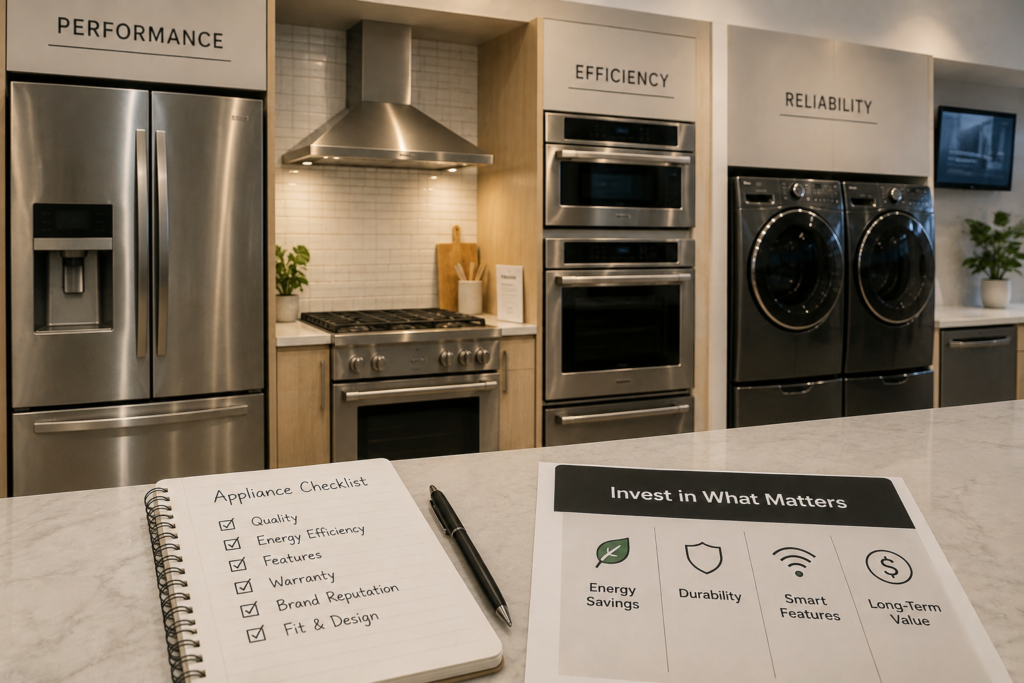
A kitchen remodel is a major investment, so it makes sense to think beyond appearance when selecting appliances. Look at size, capacity, energy use, features, maintenance, and long-term operating costs. For example, ENERGY STAR explains that certified products meet energy-efficiency criteria and are designed to use less energy while maintaining expected features and performance.
You can also use the ENERGY STAR Product Finder to explore certified appliance options. For homeowners interested in modern cooking technology, ENERGY STAR also provides information on electric and induction cooking products. The goal is not simply to buy the most expensive appliance. Instead, choose products that genuinely fit your household, your kitchen layout, and your daily habits.
The Bottom Line: How Long Does a Kitchen Remodel Take?
So, how long does a kitchen remodel take?
A reasonable starting point is 6 to 12 weeks for many standard renovations, while major projects involving layout changes, plumbing, electrical work, custom materials, and extensive construction can take 3 to 5 months or more. Planning and design may add several weeks before construction begins. The exact timeline depends on your project’s scope, material availability, contractor schedules, permits, appliance deliveries, and whether unexpected problems appear during demolition. The most effective way to keep the project moving is to plan carefully, finalize decisions early, order important materials ahead of time, communicate clearly with your contractor, and avoid major design changes once construction begins.
A kitchen remodelling is not simply about replacing old cabinets with new ones. It is an opportunity to create a space that works better for your daily life. When the planning is done properly, you can approach the renovation with realistic expectations and make better decisions about where to invest your time and money. And while the question how long does a Kitchen Remodel take is important, the better question is whether the finished kitchen campaign will be worth the wait. With thoughtful planning, quality materials, and skilled installation, the answer can be yes.
FAQ’S…
What is the most expensive part of a kitchen remodel?
For many projects, cabinetry can be one of the largest expenses, especially with custom designs. However, the cost depends on the scope of work, materials, appliances, plumbing, electrical changes, and labor. Understanding How long does a kitchen remodel take can also help you plan costs and avoid delays.
What is the typical timeline for a kitchen remodel?
A typical kitchen renovation may take 6 to 12 weeks once construction begins. Larger projects involving layout, plumbing, or electrical changes can take 3 to 5 months or longer. The answer to How long does a kitchen remodel take depends mainly on project scope, materials, contractor availability, and unexpected issues.
What are the stages of a kitchen remodel?
The main stages include planning and design, ordering materials, demolition, construction, cabinet and countertop installation, appliance installation, finishing work, and final inspection. Following these stages in the right order can make How long does a kitchen remodel take easier to estimate and manage.
What are common kitchen renovation mistakes?
Common mistakes include changing the design after construction starts, ordering appliances too late, failing to create accurate drawings, underestimating the budget, and not planning for unexpected problems. These issues can significantly affect How long does a kitchen remodel take and may create unnecessary delays.
What is the correct order to renovate a house?
A renovation generally starts with planning and design, followed by permits, demolition, structural work, plumbing and electrical work, walls and flooring, cabinetry, fixtures, appliances, and finishing touches. For a kitchen project, following a clear sequence helps control How long does a kitchen remodel take.
How long does a kitchen remodel take?
How long does a kitchen remodel take depends on the project’s size and complexity. Minor updates may take a few weeks, while a standard renovation can take 6 to 12 weeks. Major remodels involving layout, plumbing, electrical work, custom materials, or permits may take 3 to 5 months or more.
In what order do you renovate a kitchen?
A kitchen remodel typically starts with planning and measurements, then ordering materials, demolition, plumbing and electrical work, flooring or wall preparation, cabinet installation, countertops, backsplash, appliances, lighting, hardware, and final cleanup. This sequence helps keep the project organized and gives you a clearer idea of How long does a kitchen remodel take.