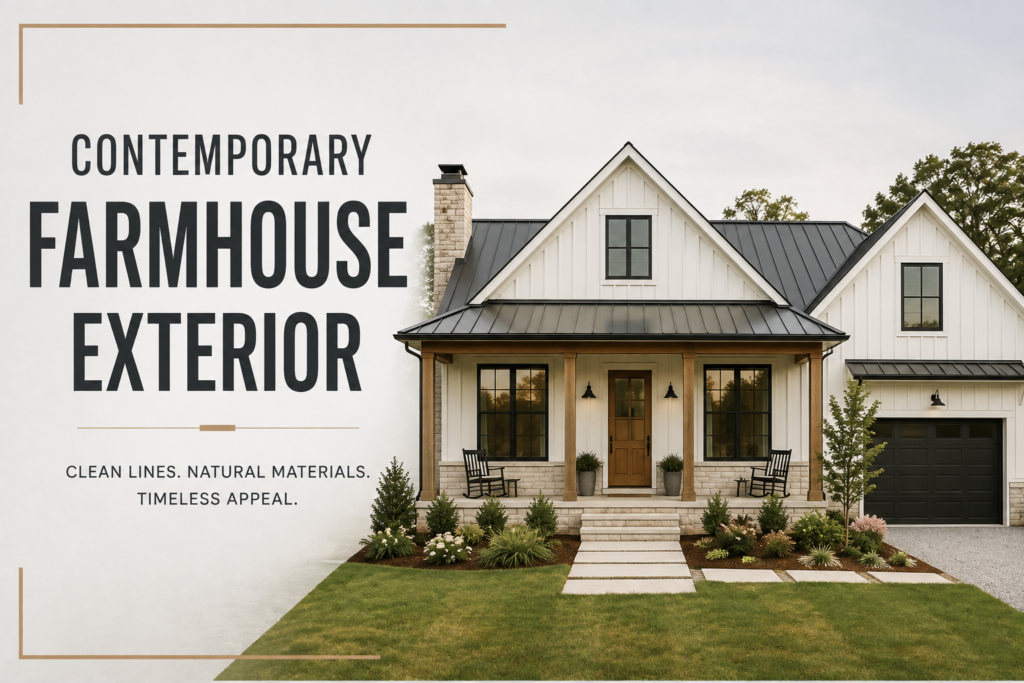
A contemporary farmhouse exterior brings together the best parts of two design worlds. It keeps the welcoming character, practical shapes, and relaxed feeling of a traditional farmhouse while adding clean lines, modern materials, larger windows, and a more refined color palette. The result is a home that feels comfortable and familiar without looking dated.
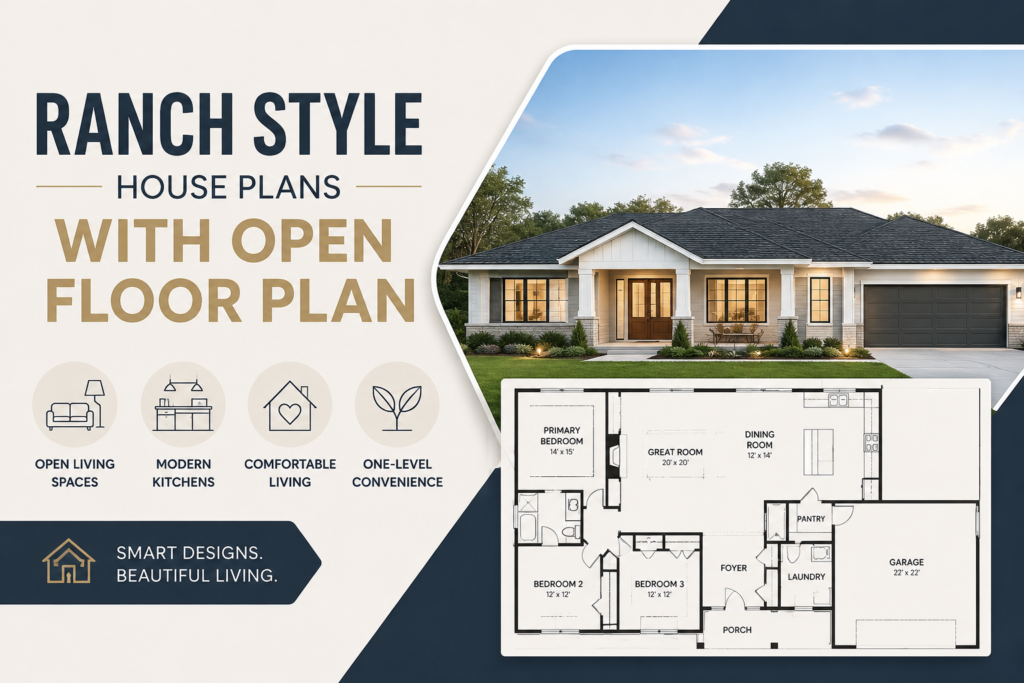
Farmhouse architecture has changed considerably over time. Traditional farmhouses were built around everyday needs, with practical layouts, generous porches, simple rooflines, and durable materials. Today, homeowners can borrow those ideas while creating a home that fits a suburban neighborhood, a rural property, or even a smaller residential lot. Modern farmhouse plans, for example, commonly combine open living spaces, large kitchens, connected outdoor areas, and flexible layouts with the familiar farmhouse appearance.
What makes this style especially appealing is its flexibility. You can create a bright white farmhouse with black windows, a warm exterior with natural wood and stone, or a darker home with charcoal siding and soft landscaping. There is no single formula that every farmhouse has to follow. In this guide, we will explore contemporary farmhouse exterior ideas in detail, including siding, rooflines, porches, windows, colors, materials, landscaping, lighting, and practical ways to bring the look together.
Contemporary Farmhouse Exterior Design: What Makes It Different?
A contemporary farmhouse exterior takes traditional farmhouse features and simplifies them for modern living. Instead of relying heavily on decorative details, the design usually focuses on proportion, texture, natural materials, and a limited number of colors.
The overall shape of the house often remains simple. A strong gable roof, wide porch, symmetrical or balanced facade, and large windows can immediately create a farmhouse impression. Contemporary details then make the architecture feel fresh. One useful way to understand the difference is to imagine an older farmhouse and a new home inspired by it. The traditional house might have smaller windows, more decorative trim, and weathered materials. The contemporary version could keep the same basic roof shape and porch but introduce larger windows, cleaner trim, dark frames, and modern siding.
That balance is the heart of the style.
According to modern farmhouse plans commonly combine traditional farmhouse and country elements with modern layouts, including open-concept spaces and practical living arrangements. This shows that the style is not simply about exterior appearance; it is also about creating a home that works comfortably for everyday life.
Contemporary Farmhouse Exterior Ideas With Board-and-Batten Siding
Board-and-batten siding is one of the most recognizable choices for a contemporary farmhouse exterior. Its vertical lines create texture while maintaining the simple appearance that makes farmhouse architecture so appealing.
A warm white board-and-batten facade is a classic choice. However, white is not your only option. Soft gray, greige, muted sage, cream, and even deep charcoal can create a beautiful farmhouse appearance. One advantage of board-and-batten siding is that it does not need to cover every surface. You can use it across the main facade while introducing another material around the garage, porch, or lower portion of the house.
This creates visual interest without making the exterior complicated.
For example, imagine a warm-white home with vertical siding, a dark roof, natural wood around the front entrance, and stone around the porch foundation. Each material has a job, yet none competes with the others. This is an important principle when planning a contemporary farmhouse exterior: materials should work together instead of trying to become the main attraction at the same time.
Contemporary Farmhouse Exterior Rooflines for Modern Curb Appeal
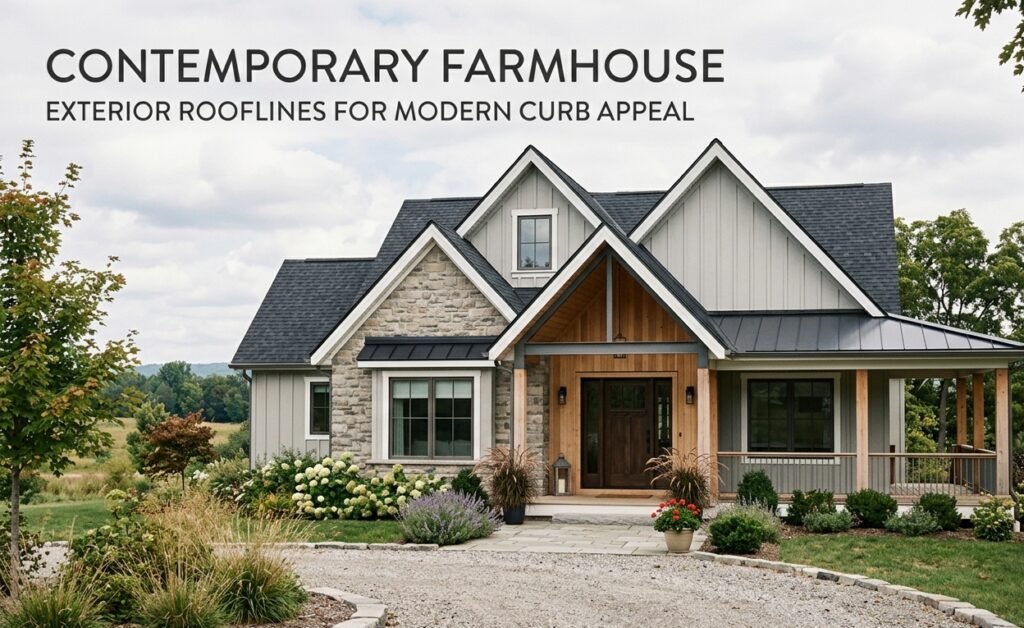
The roofline can completely change the personality of a house. For a contemporary farmhouse exterior, a simple gabled roof is often one of the strongest starting points.
Traditional farmhouse architecture frequently used straightforward gabled forms because they were practical and relatively easy to build. Contemporary designs preserve that familiar silhouette but often make it cleaner and more dramatic. A large central gable can create a strong focal point above the entry. Smaller gables can then define a porch, garage, or secondary section of the house.
A low-pitched roof can produce a relaxed appearance, while a steeper gable can give the home more vertical presence. The right choice depends on the size and proportions of the property.
You can also introduce a standing-seam metal roof as an accent. A metal section above the porch or entry can provide a contemporary detail without taking away from the farmhouse character. The important thing is proportion. A dramatic roof can look beautiful on a large home but overwhelming on a small one. Before selecting roofing materials, consider the home’s width, height, surrounding buildings, climate, maintenance requirements, and local construction requirements.
Contemporary Farmhouse Exterior With a Welcoming Front Porch
A farmhouse porch is much more than decoration. It creates a transition between the street and the interior of the house, while also providing a comfortable place to sit and enjoy the outdoors.
Traditional farmhouse designs often feature a wide verandah or covered porch. Modern versions can maintain that welcoming quality while using simpler columns, cleaner railings, modern lighting, and comfortable outdoor furniture. Picture arriving home after a busy day. Instead of walking directly through a small doorway, you approach a covered porch with a warm light, two chairs, a natural wood door, and a few plants. Even before you enter, the house feels welcoming.
That is the power of a well-designed porch.
For a contemporary farmhouse exterior, square columns can create a cleaner appearance than heavily decorated supports. A wood porch ceiling can add warmth, while dark metal lighting can connect the porch with black window frames or a dark roof. If you have enough space, consider arranging the porch around how you actually live. A pair of chairs may be enough for a small home, while a larger porch could include a dining table or outdoor seating area.
Contemporary Farmhouse Exterior With Natural Wood Accents
Natural wood is an excellent way to soften a modern farmhouse design. A house made entirely from white siding and dark accents can sometimes feel a little too sharp. Wood introduces warmth and texture.
A natural wood front door is one of the easiest ways to achieve this effect. You can also use wood around the garage, porch ceiling, entry canopy, beams, or selected sections of the facade. The trick is restraint.
You do not need to cover the entire house in wood. A few carefully selected areas can have much more impact. A warm wood door against a soft-white wall, for example, immediately draws attention toward the entrance. If the same wood tone appears on the porch ceiling, the two areas feel connected. When choosing exterior wood, consider the local weather conditions and the level of maintenance you are willing to provide. The right finish and installation matter just as much as the appearance.
Contemporary Farmhouse Exterior Windows With Dark Frames
Large windows are another defining feature of many modern farmhouse homes. They bring natural light into the interior and create a stronger visual connection between the house and the landscape. For practical guidance on choosing efficient window types and glazing, see the U.S. Department of Energy’s window guide. Dark window frames are particularly popular because they create contrast against lighter siding. Black is an obvious choice, but charcoal, dark bronze, and other deep neutral tones can produce a softer result.
The best contemporary farmhouse exterior does not necessarily use black everywhere. Instead, dark window frames might coordinate with the roof, gutters, exterior lighting, or garage door.
Large windows can also help emphasize the architecture. A tall window placed inside a central gable can become an architectural focal point rather than simply serving as a source of light. When planning a new house, think about the views from inside as well. A beautiful window is even more valuable when it frames a garden, mature trees, open land, or another attractive part of the property.
Contemporary Farmhouse Exterior Materials: Mixing Stone, Brick, Wood, and Siding
Using multiple materials can make a contemporary farmhouse exterior feel richer and more established. However, mixing materials requires some planning.
A simple combination of siding, stone, and wood is often enough. The siding provides the main background. Stone can visually anchor the lower part of the home or highlight the porch and entry. Wood adds warmth around selected architectural features. Brick can also work well, especially when you want a slightly more traditional appearance.
The key is to choose materials with compatible colors and textures. Warm white siding generally works better with warm gray stone than with stone containing strong blue undertones.
Likewise, a warm natural wood may look disconnected if every other material has a cool, blue-gray appearance. Before buying anything, collect physical samples if possible. Exterior colors can look very different in morning, afternoon, and evening light.
Contemporary Farmhouse Exterior Color Ideas for a Timeless Look
Color is one of the easiest ways to change the character of your home.
A classic contemporary farmhouse exterior often starts with a neutral base and introduces one or two contrasting tones. Warm white, cream, soft gray, greige, sage, charcoal, and natural wood are all useful directions.A warm-white exterior with charcoal roofing and natural wood creates a timeless appearance. A sage-green exterior with cream trim feels softer and more connected to nature. Charcoal siding with wood and stone creates a bolder contemporary farmhouse.
You do not need a large number of colors.
In fact, limiting your palette can make the architecture look more expensive and intentional. Choose one dominant color, one supporting color, and perhaps one natural accent. For example, warm white can be the main siding color, charcoal can appear on the roof and windows, and natural wood can highlight the entrance. The same approach works with darker homes. Deep green siding, dark bronze windows, and warm wood can create a sophisticated farmhouse appearance without relying on stark black-and-white contrast.
Contemporary Farmhouse Exterior With Carriage-Style Garage Doors
Garage doors can occupy a surprisingly large part of the front facade, so they should be treated as part of the overall architecture. Carriage-style garage doors can bring farmhouse character to the exterior, but you do not have to choose an overly traditional design. Modern versions may feature clean rectangular panels, simple hardware, dark finishes, or glass sections.
A natural wood garage door can repeat the warmth of the front door. A dark garage door can coordinate with black windows and roofing. A white garage door can blend into the siding when you want the entry to remain the main focal point. The right option depends on the size and position of your garage.
If the garage dominates the front of the house, using a simple but attractive door can prevent it from becoming visually distracting.
Contemporary Farmhouse Exterior Landscaping for a Natural Finish
A house is not finished when the siding is installed. Landscaping plays an important role in completing a contemporary farmhouse exterior. Farmhouse landscaping usually works best when it feels natural rather than overly formal. You can combine low shrubs, ornamental grasses, trees, flowering plants, and simple pathways to create layers around the house.
Instead of planting dozens of different species, choose a smaller group of plants and repeat them around the property. Repetition creates a more organized appearance. Native plants can also be worth considering because they may be better suited to local growing conditions and can sometimes require less maintenance once established. Large planters near the front door can provide seasonal color, while a simple gravel or stone pathway can reinforce the relaxed farmhouse feeling.
The goal is not to make the yard look perfect. It is to make the house and landscape feel as though they naturally belong together.
Contemporary Farmhouse Exterior Lighting for Evening Appeal
Exterior lighting is often overlooked during the design process, yet it can dramatically change how a home looks after sunset. For a contemporary farmhouse exterior, choose lighting that is simple enough to complement the architecture. Wall lanterns can frame the front door. Downlights can illuminate a porch. Path lighting can guide visitors toward the entrance.
Warm lighting generally creates a more welcoming atmosphere than extremely cool lighting.
You can also use lighting to highlight architectural features. A carefully positioned fixture can bring attention to a stone wall, wood detail, porch column, or mature tree without making the entire property overly bright. Good lighting should serve a purpose. It should improve visibility and safety while also making the exterior feel comfortable.
Contemporary Farmhouse Exterior With a Dark Color Scheme
Not every farmhouse needs to be white.
A dark contemporary farmhouse exterior can look dramatic and sophisticated, particularly when paired with natural materials. Charcoal, deep green, dark blue, and soft black can all work well. The secret is adding enough contrast and warmth.
A dark exterior with only black windows and a black roof may feel heavy. Introduce natural wood around the entry, lighter stone around the foundation, and warm landscape colors to create balance. Dark colors can also emphasize the shape of the house. If the architecture has an attractive roofline or interesting windows, a deeper exterior color can make those features stand out.
Before committing to a dark exterior, test the color on a meaningful section of the house. Observe it at different times of day because sunlight can significantly change how exterior paint appears.
Contemporary Farmhouse Exterior With Stone Accents
Stone can give a farmhouse home a grounded, substantial appearance.
It works particularly well around the foundation, porch columns, entry steps, fireplace chimney, or lower sections of the exterior. For a contemporary look, avoid using too many different stone patterns. A consistent stone color and texture usually looks more intentional. Warm gray stone pairs naturally with cream or white siding. Earthier stone can complement beige, greige, or natural wood.
If you are using both stone and brick, make sure their colors work together before installation. Otherwise, the facade can become unnecessarily busy.
Contemporary Farmhouse Exterior and Outdoor Living Spaces
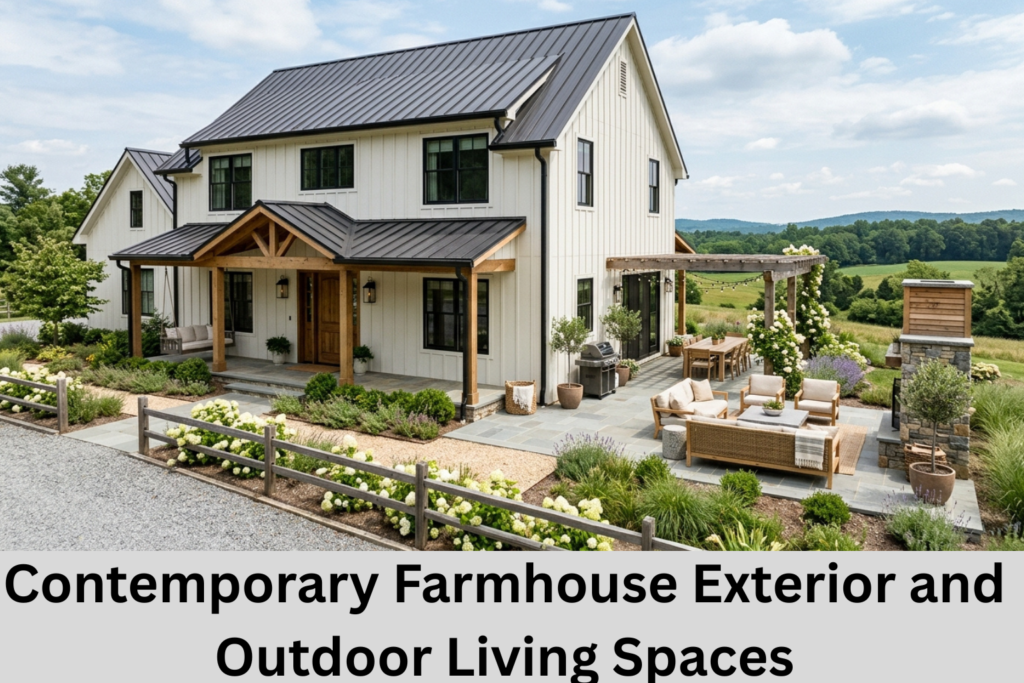
One of the most useful aspects of farmhouse architecture is the connection between indoor and outdoor living.
A large kitchen or living room can open toward a covered patio, porch, or garden. This makes outdoor space feel like an extension of the home rather than a separate area. A modern farmhouse floor plan often places the kitchen and living areas near the center of the home, making it easier for family members and guests to move between spaces. If you are building a new home, consider where the sun falls during the day, where the best views are, and which direction the prevailing weather comes from before finalizing an outdoor living area.
A beautiful patio that receives uncomfortable afternoon heat may not get much use. A covered space positioned thoughtfully can become one of the most valuable parts of the home.
How to Choose Contemporary Farmhouse Exterior Materials
Choosing materials should never be based on appearance alone.
Start by considering your local climate. Think about moisture, heat, cold, strong sunlight, wind, and seasonal changes. Then consider how much maintenance you are prepared to handle. Fiber-cement siding, engineered wood, natural wood, brick, stone, and metal all have different characteristics.
For example, James Hardie’s modern farmhouse design guidance provides examples of siding, trim, and color combinations suitable for modern farmhouse architecture. The right product is the one that fits your home’s design while also making sense for your environment, budget, installation requirements, and long-term maintenance expectations.
Do not choose a material simply because it looks attractive in an online photograph. Ask about warranties, installation instructions, maintenance requirements, expected lifespan, and compatibility with your existing structure.
That research gives you much more confidence before making a major purchase.
Contemporary Farmhouse Exterior Mistakes to Avoid
One of the most common mistakes is trying to include every farmhouse trend in one house.
Board-and-batten siding, shiplap, stone, brick, black windows, black roofing, wood beams, multiple gables, decorative brackets, oversized lanterns, and elaborate landscaping can all look attractive individually. Put them all together, however, and the result can quickly become overwhelming. A better approach is to select a few strong features and allow them to breathe.
Another mistake is choosing colors without considering undertones. Two shades of white may look nearly identical on a screen but completely different next to your stone, roofing, or landscaping. It is also worth avoiding oversized architectural details simply because they are popular. Porch columns, windows, doors, and roof features should match the scale of your house.
Finally, do not forget maintenance. The most beautiful exterior is not a good investment if it requires more upkeep than you can realistically provide.
Contemporary Farmhouse Exterior Ideas for Small Homes
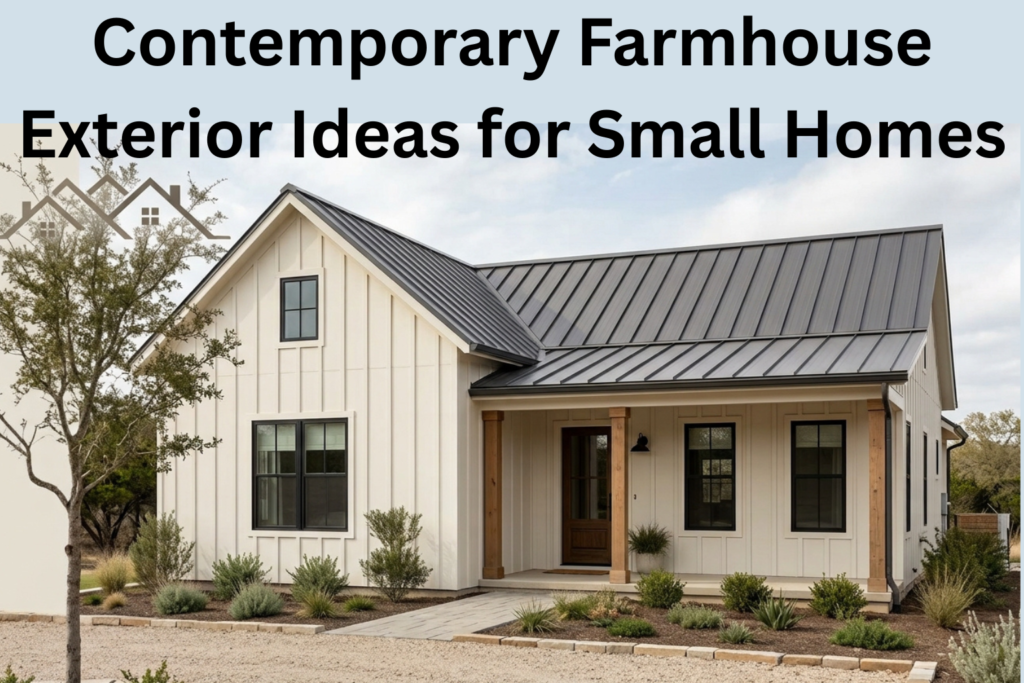
You do not need a huge property to create farmhouse character.
A smaller home can use a simple gable roof, compact covered porch, vertical siding, dark windows, and a natural wood door. The trick is to avoid making the facade too busy.
Use fewer materials and repeat the same colors across several features. For example, dark window frames can coordinate with the roof and exterior lighting, while the same wood finish can appear at the front door and porch ceiling. This creates visual consistency without requiring a large budget. Smaller houses can actually benefit from this approach because a restrained design makes the architecture feel more intentional.
Contemporary Farmhouse Exterior Ideas for a Timeless Home
Trends will change, but strong proportions and quality materials tend to remain attractive.
If you want a contemporary farmhouse exterior that will still feel appropriate years from now, concentrate on the fundamentals.Choose a roofline that suits the house. Use siding that is durable and appropriate for the climate. Keep the color palette controlled. Invest in attractive windows and a well-designed front door. Create a porch that you will actually use. Then add decorative details gradually.
This is also where buying quality products can make a difference. Exterior materials are exposed to weather every day, so durability matters just as much as appearance. Before purchasing siding, roofing, windows, doors, or lighting, compare specifications, warranty information, installation requirements, and maintenance needs.
FAQ’S…
What is the best exterior color for a farmhouse?
Classic farmhouse colors include white, warm gray, soft beige, sage green, and muted blue. White remains a popular choice because it creates a clean, welcoming appearance, while natural wood and stone accents add warmth and character.
Can you mix contemporary with farmhouse?
Absolutely. A contemporary farmhouse exterior can combine traditional farmhouse elements with modern features. Try pairing board-and-batten siding, a welcoming porch, and natural stone with large windows, simple rooflines, and black-framed doors.
What’s the difference between a farmhouse and a modern farmhouse?
Traditional farmhouse design tends to emphasize classic proportions, rustic materials, and practical features. Modern farmhouse keeps that welcoming character but adds cleaner lines, larger windows, simplified details, contemporary finishes, and a more polished overall appearance.