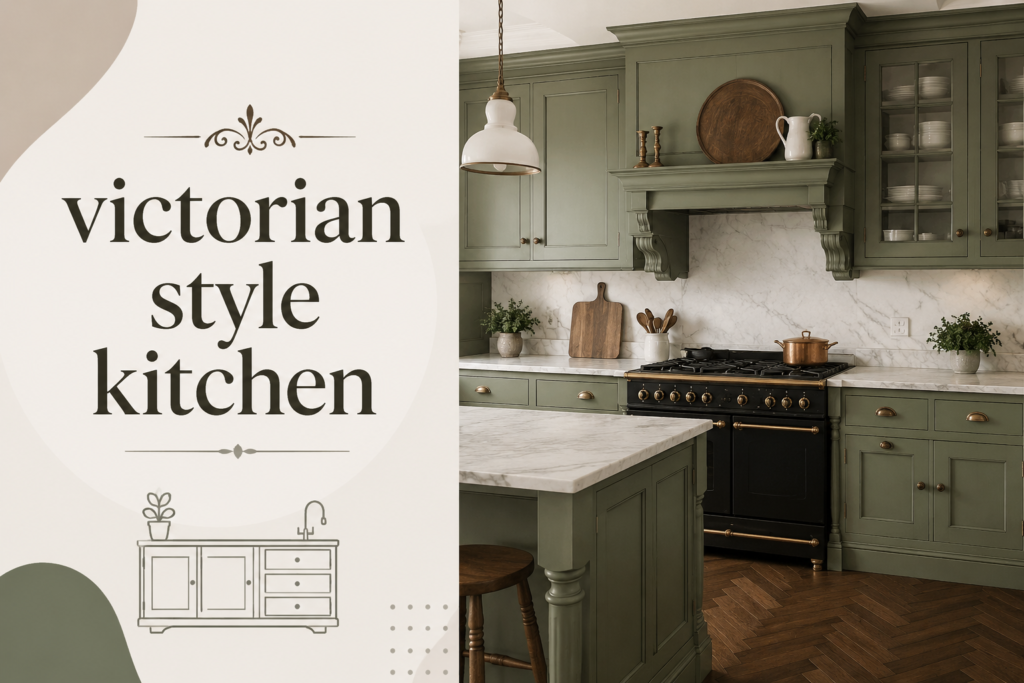
Imagine stepping into a kitchen where every detail feels warm, welcoming, and full of character. Rich wooden cabinetry, polished brass handles, marble worktops, elegant lighting, and carefully crafted moldings instantly transport you to another era. Yet, hidden behind this timeless beauty are all the conveniences of a modern kitchen.
That is exactly what a Victorian style kitchen offers.
Inspired by the design principles of the these kitchens beautifully combine traditional craftsmanship with today’s technology. They celebrate quality materials, thoughtful storage, and elegant decorative details while remaining highly functional for modern families.
Whether you’re renovating a historic home or simply love classic interiors, a Victorian style kitchen can transform your cooking space into one of the most attractive rooms in your home.
In this complete guide, you’ll discover everything you need to know—from layout planning and cabinetry to countertops, colors, lighting, hardware, and buying advice—so you can design your dream kitchen with confidence.
Victorian Style Kitchen: What Makes It So Special?
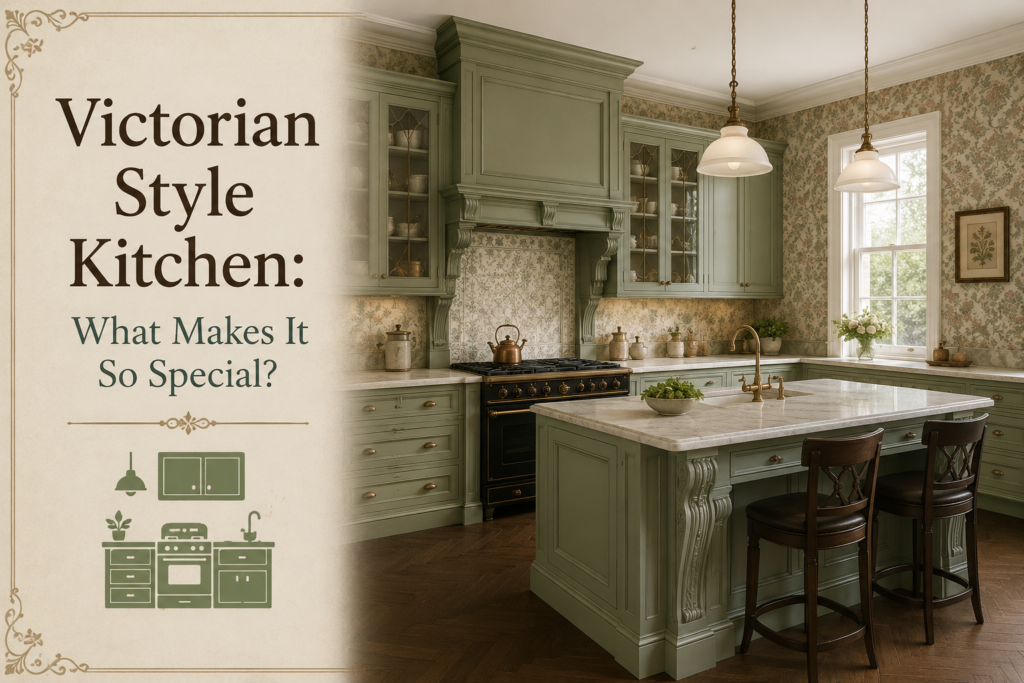
A Victorian style kitchen is inspired by homes built during Britain’s Victorian period (1837–1901). Unlike today’s minimalist kitchens, Victorian kitchens emphasized craftsmanship, durability, symmetry, and decorative details.
Originally, many Victorian homes featured separate workspaces like a scullery, pantry, and butler’s pantry, each serving a specific purpose. While modern homes rarely have that much space, designers often recreate the same feeling by incorporating dedicated storage areas and carefully planned work zones.
Today, homeowners appreciate this style because it combines elegance with practicality. Instead of chasing short-lived trends, a Victorian kitchen focuses on timeless design that can remain beautiful for decades.
Did You Know?
Many authentic Victorian kitchens inspired today’s popular features, including ceiling-height cabinets, butler’s pantries, farmhouse sinks, and large central islands.
Victorian Kitchen Design: The Core Design Principles
Designing a beautiful Victorian kitchen isn’t about copying an old house exactly. Instead, it’s about understanding the principles that made those kitchens so enduring.
Here are the foundations of successful Victorian kitchen design.
1. Symmetry Creates Balance
One thing you’ll notice in almost every traditional English kitchen is balance.
Cabinets often mirror each other.
Lighting is evenly spaced.
Decorative molding follows consistent lines.
This symmetry creates a calm, organized appearance that never feels cluttered.
2. Quality Materials Always Win
Victorian homes weren’t built around disposable materials.
Instead, they relied on natural products such as:
- Solid wood cabinetry
- Natural marble
- Brass hardware
- Stone flooring
- Porcelain sinks
- Handmade tiles
Although modern alternatives exist, genuine materials often age beautifully and develop character over time.
3. Decorative Details Matter
Unlike modern minimalist kitchens, Victorian interiors embrace thoughtful decoration.
Look for features like:
- Crown molding
- Decorative corbels
- Beaded cabinet frames
- Raised panel doors
- Traditional drawer fronts
- Furniture-style islands
- Glass display cabinets
These subtle details give the kitchen personality without making it feel overwhelming.
4. Storage Is Built Into the Design
Victorian kitchens valued organization.
Instead of leaving everyday items on countertops, designers integrated storage into the cabinetry itself.
Popular storage features include:
- Floor-to-ceiling pantry cabinets
- Built-in spice storage
- Deep drawers
- Appliance garages
- Hidden waste bins
- Glass-front display cabinets
The result is a cleaner and more elegant kitchen.
Victorian Kitchen Cabinets: Choosing Timeless Cabinetry
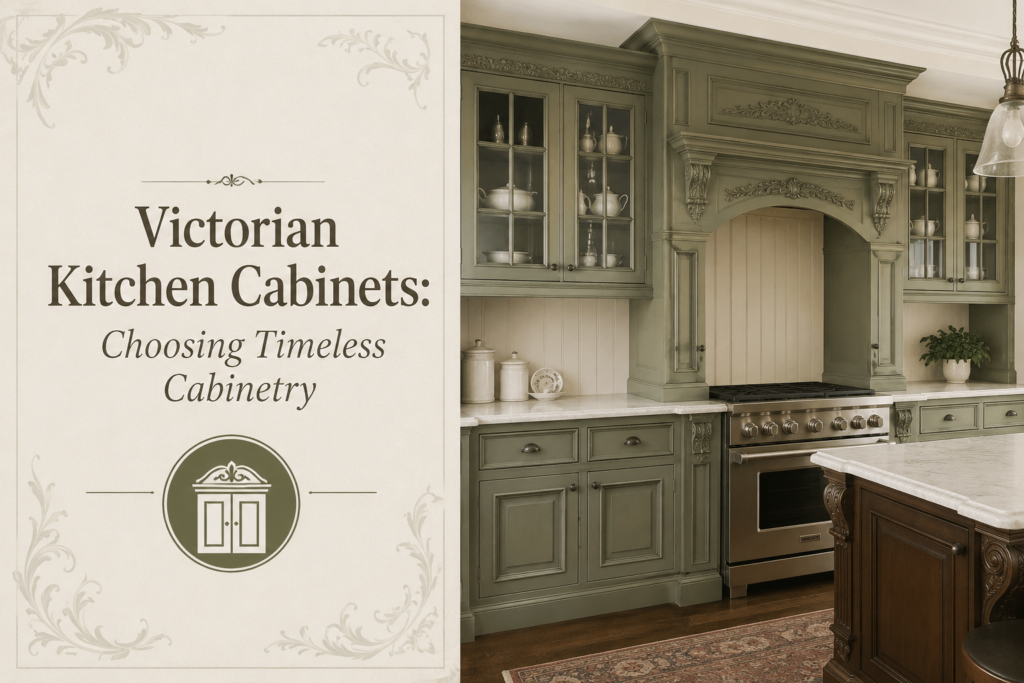
Cabinetry is arguably the most important investment in any Victorian style kitchen.
Since cabinets occupy most of the visual space, they establish the kitchen’s overall character.
Inset Cabinets: The Hallmark of Victorian Design
If there’s one cabinet style that instantly creates an authentic Victorian appearance, it’s inset cabinetry.
Unlike standard overlay cabinets, inset cabinet doors sit inside the frame instead of covering it.
Benefits include:
- Premium craftsmanship
- Traditional appearance
- Clean alignment
- Exceptional durability
- Furniture-quality finish
Although inset cabinets usually cost more, many homeowners believe they’re worth every penny because they immediately elevate the kitchen.
Painted Cabinets
Painted cabinetry remains one of the defining characteristics of period kitchens.
Popular colors include:
- Mushroom
- Sage green
- Cream
- Stone
- Soft gray
- Deep navy
- Forest green
These muted colors create warmth without overwhelming the room.
Natural Wood Islands
Many designers intentionally contrast painted perimeter cabinets with a natural wood island.
This approach makes the island resemble a handcrafted furniture piece rather than another cabinet.
Oak, walnut, and maple remain excellent choices.
Besides adding warmth, wood helps connect the kitchen to the rest of the home’s architectural details.
Modern Victorian Kitchen: Blending Traditional Beauty with Today’s Lifestyle
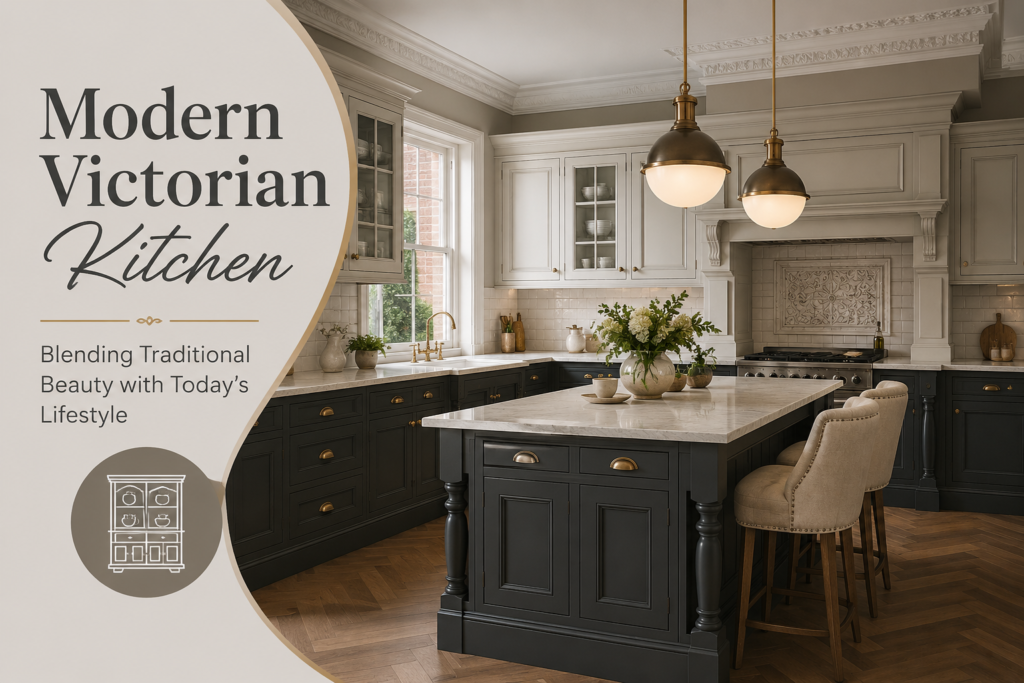
One common misconception is that a Victorian kitchen must feel old-fashioned.
In reality, the best modern Victorian kitchens carefully hide modern technology behind timeless design.
For example:
✔ Integrated refrigerators
✔ Concealed dishwashers
✔ Soft-close drawers
✔ Pull-out pantry organizers
✔ Under-cabinet lighting
✔ Smart appliances
Everything functions like a modern luxury kitchen while maintaining the appearance of a handcrafted English interior.
Think of it this way.
Imagine driving a classic vintage car that secretly contains today’s safest engine, navigation system, and climate control.
That’s exactly what a modern Victorian kitchen achieves.
Victorian Kitchen Layout: Planning Your Space Step by Step
Even the most beautiful cabinets cannot compensate for a poor layout.
A successful Victorian style kitchen begins with thoughtful planning.
Step 1: Understand Your Daily Routine
Ask yourself:
- How many people cook regularly?
- Do you entertain guests?
- Do children help prepare meals?
- Is storage your biggest challenge?
Answering these questions helps determine the best layout.
Step 2: Follow the Kitchen Work Triangle
One of the most effective planning principles is the Kitchen Work Triangle, connecting:
- Refrigerator
- Sink
- Cooking area
Keeping these three points close together minimizes unnecessary walking and improves efficiency.
Step 3: Maximize Vertical Storage
Victorian homes often featured high ceilings.
Take advantage by installing:
- Full-height cabinets
- Decorative crown molding
- Upper pantry storage
- Glass display cabinets
Besides increasing storage, this creates a luxurious custom-built appearance.
Step 4: Decide Whether You Need an Island
A furniture-inspired island can become the centerpiece of your kitchen.
Instead of adding seating simply because it’s trendy, prioritize how you actually use your space.
Many homeowners prefer extra storage, larger preparation areas, or a centrally located sink over bar stools.
Victorian Kitchen Colors: Choosing a Timeless Color Palette
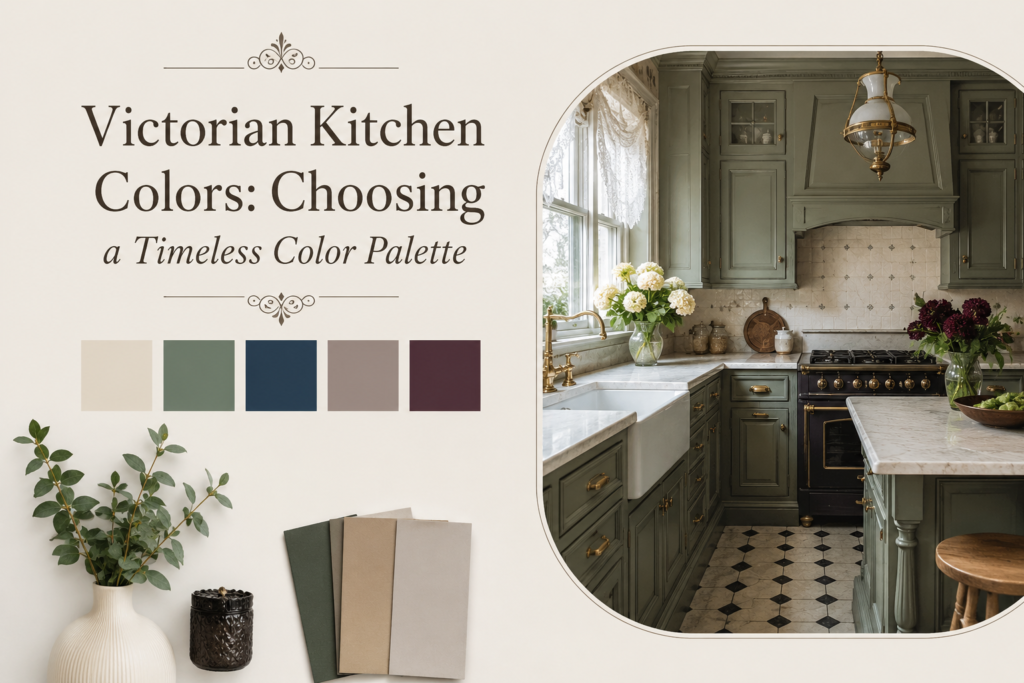
Color plays a huge role in creating an authentic Victorian style kitchen. Unlike many modern kitchens that rely on stark white finishes, Victorian interiors embrace warm, muted, and earthy tones that feel inviting throughout the year.
The beauty of these colors is that they never feel trendy—they simply age gracefully.
Best Color Choices for a Victorian Kitchen
If you’re unsure where to start, consider these timeless shades:
- Mushroom – Soft, warm, and sophisticated
- Sage Green – Natural and calming
- Stone Beige – Elegant and versatile
- Cream White – Bright without looking sterile
- Dusty Blue – Traditional with subtle character
- Forest Green – Rich and luxurious
- Charcoal Gray – Perfect for dramatic spaces
- Deep Navy – Classic English elegance
A great way to introduce contrast is by pairing painted perimeter cabinets with a natural wood island.
Designer Tip: Before committing to a paint color, test large samples on your cabinets and observe them throughout the day. Natural and artificial lighting can dramatically change how a color appears.
Marble Countertops: Why They Never Go Out of Style
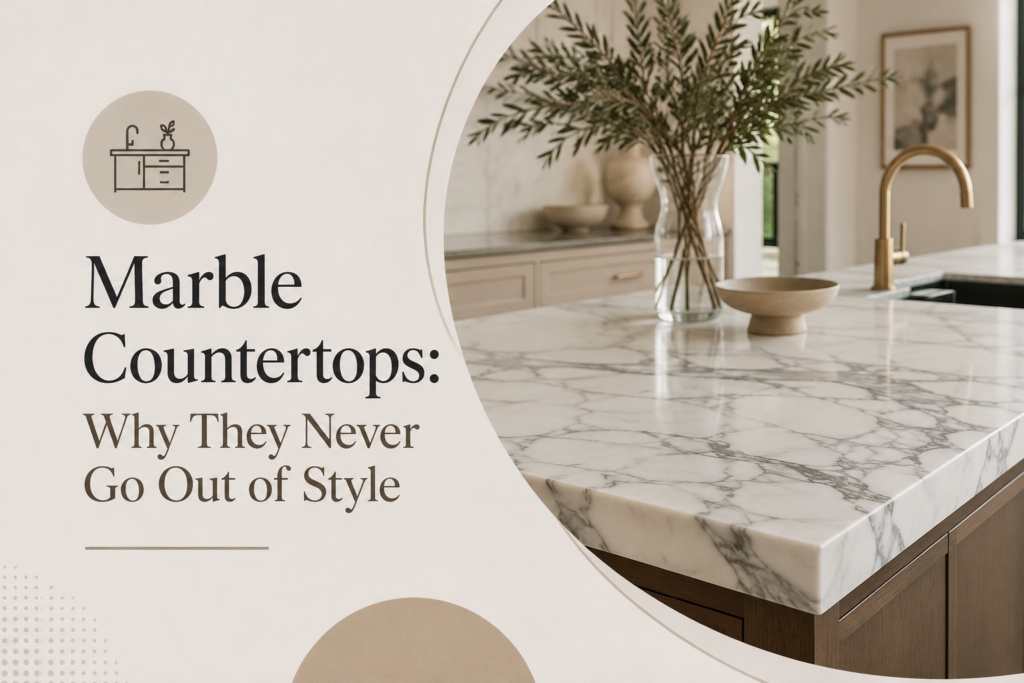
Few materials capture the elegance of a Victorian style kitchen better than natural marble.
Walk into almost any luxury English kitchen, and you’ll likely find marble worktops taking center stage. Their natural veining gives each slab a unique personality that engineered surfaces simply cannot replicate.
Why Homeowners Love Marble
✔ Timeless appearance
✔ Naturally unique patterns
✔ Increases perceived home value
✔ Ages beautifully over time
✔ Perfect for period-inspired kitchens
However, marble isn’t maintenance-free.
Because it is a natural stone, it can develop a soft patina, etch from acidic foods, and require occasional sealing.
For many homeowners, these characteristics are not flaws—they’re part of marble’s charm.
If authenticity matters most, marble remains one of the best investments for a Victorian kitchen.
Brass Cabinet Hardware: Small Details with a Big Impact
Sometimes, it’s the smallest details that leave the biggest impression.
Cabinet hardware is one of those finishing touches that instantly elevates a kitchen.
Traditional Victorian style kitchens commonly feature:
- Brass cup pulls
- Round brass knobs
- Backplate handles
- Drop handles
- Decorative latches
Brass naturally develops a beautiful patina over time, giving your kitchen even more character.
If you prefer a cleaner appearance, unlacquered brass will age naturally, while lacquered brass maintains its polished finish.
Popular Hardware Styles
- Antique brass
- Satin brass
- Aged bronze
- Polished nickel
- Oil-rubbed bronze
Butler’s Pantry: A Traditional Feature Worth Bringing Back
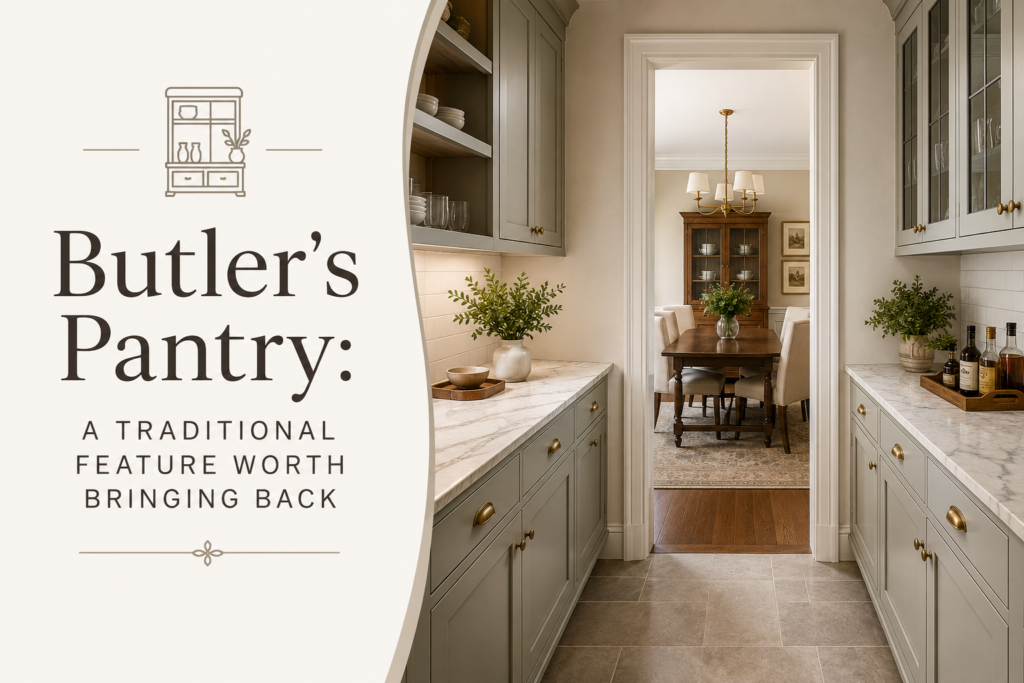
One of the most beloved features of a Victorian style kitchen is the butler’s pantry.
Originally, this room was used for storing china, preparing meals, and keeping expensive serving pieces secure.
Today, homeowners are rediscovering its incredible practicality.
A modern butler’s pantry can include:
- Coffee station
- Wine storage
- Dry food pantry
- Small appliances
- Additional countertop space
- Cookbook storage
- Hidden microwave
- Glass display cabinets
If your home doesn’t have a separate room, don’t worry.
A floor-to-ceiling pantry cabinet can recreate much of the same functionality while preserving the classic Victorian aesthetic.
Butler Sink vs. Belfast Sink: Which One Should You Choose?
Many people use these terms interchangeably, but they are slightly different.
Butler Sink
Originally designed for butlers in wealthy households, these sinks have a lower overflow opening, making them ideal for indoor plumbing systems.
Belfast Sink
Developed in Ireland, Belfast sinks traditionally feature a deeper bowl and higher overflow, allowing them to handle large amounts of water.
Both styles are excellent choices for a Victorian style kitchen because they offer:
- Deep washing space
- Classic porcelain finish
- Timeless appearance
- Exceptional durability
Pair either option with a brass bridge faucet for an authentic period-inspired look.
Victorian Kitchen Lighting: Creating Warmth and Character
Lighting should never feel like an afterthought.
In a Victorian style kitchen, it helps create atmosphere while highlighting architectural details.
Best Lighting Options
Schoolhouse Pendant Lights
These iconic fixtures provide soft, diffused light while staying true to traditional English interiors.
Wall Sconces
Perfect beside pantry cabinets or open shelving.
Brass Chandeliers
Ideal over a dining table or kitchen island.
Under-Cabinet Lighting
Hidden LED strips improve functionality without disrupting the traditional appearance.
Layering multiple light sources creates depth and makes the kitchen feel warm throughout the day.
Victorian Kitchen Island: The Functional Heart of the Home
Although historic Victorian kitchens often centered around a large preparation table, today’s kitchen island serves the same purpose with added functionality.
A well-designed island can include:
- Prep sink
- Hidden dishwasher
- Pull-out trash bins
- Extra storage
- Marble worktop
- Wooden furniture-style base
Choosing a natural wood finish for the island creates a beautiful contrast against painted cabinetry and makes it feel like an heirloom furniture piece.
Range Cooker: A Timeless Statement Piece
Nothing says Victorian style kitchen quite like a traditional range cooker.
Historically, cast-iron ranges were the heart of the home, providing both cooking and heating.
Modern range cookers preserve this iconic look while offering advanced features such as:
- Multiple ovens
- Induction cooktops
- Convection baking
- Smart temperature controls
- Energy efficiency
Available in classic shades like cream, black, and dark green, a range cooker instantly becomes the focal point of the kitchen.
Decorative Details That Complete the Look
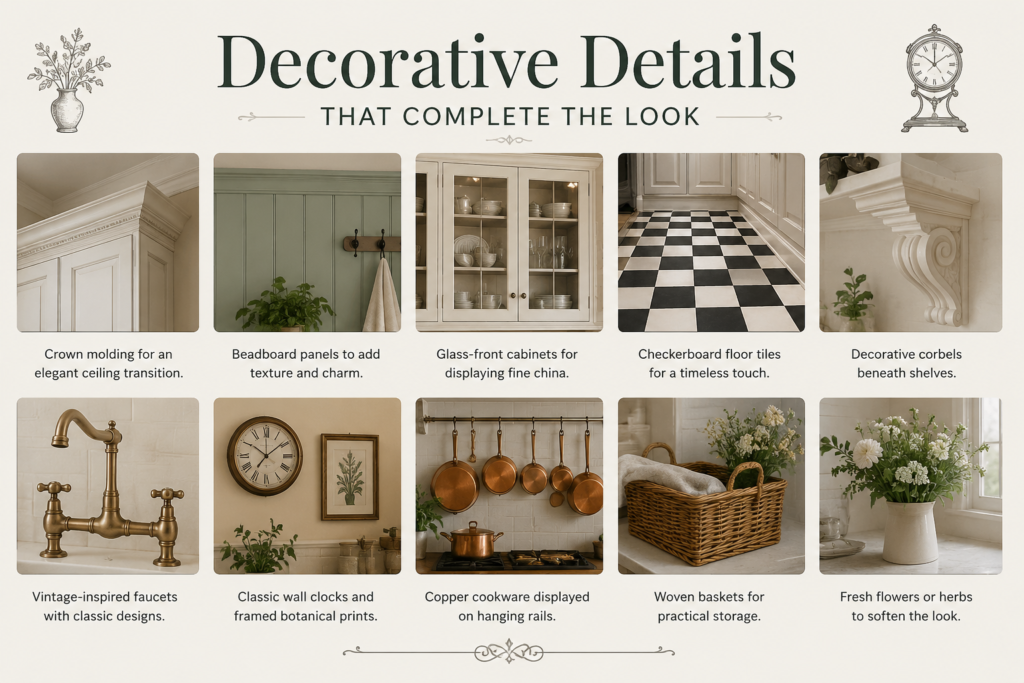
Once the major elements are in place, it’s time to focus on the finishing touches that bring a Victorian style kitchen to life.
Consider incorporating:
- Crown molding for an elegant ceiling transition.
- Beadboard panels to add texture and traditional charm.
- Glass-front cabinets for displaying fine china or glassware.
- Checkerboard floor tiles in black and white for a timeless Victorian touch.
- Decorative corbels beneath shelves or countertops.
- Vintage-inspired faucets with cross handles or bridge designs.
- Classic wall clocks and framed botanical prints.
- Copper cookware displayed on hanging rails.
- Woven baskets for practical and attractive storage.
- Fresh flowers or herbs to soften the overall look.
These thoughtful details help create a kitchen that feels collected over time rather than installed all at once.
Common Mistakes to Avoid When Designing a Victorian Style Kitchen
Even beautiful materials can fall short if they’re not used thoughtfully.
Avoid these common mistakes:
- Choosing ultra-modern slab cabinet doors.
- Mixing too many bold colors in one space.
- Using inexpensive hardware that doesn’t match the overall quality.
- Ignoring storage in favor of aesthetics.
- Installing harsh, cool-white lighting.
- Overdecorating every surface with antiques.
- Forgetting modern functionality while chasing historical accuracy.
The goal is to achieve a balance between classic beauty and everyday practicality.
Why Homeowners Love Victorian Style Kitchens
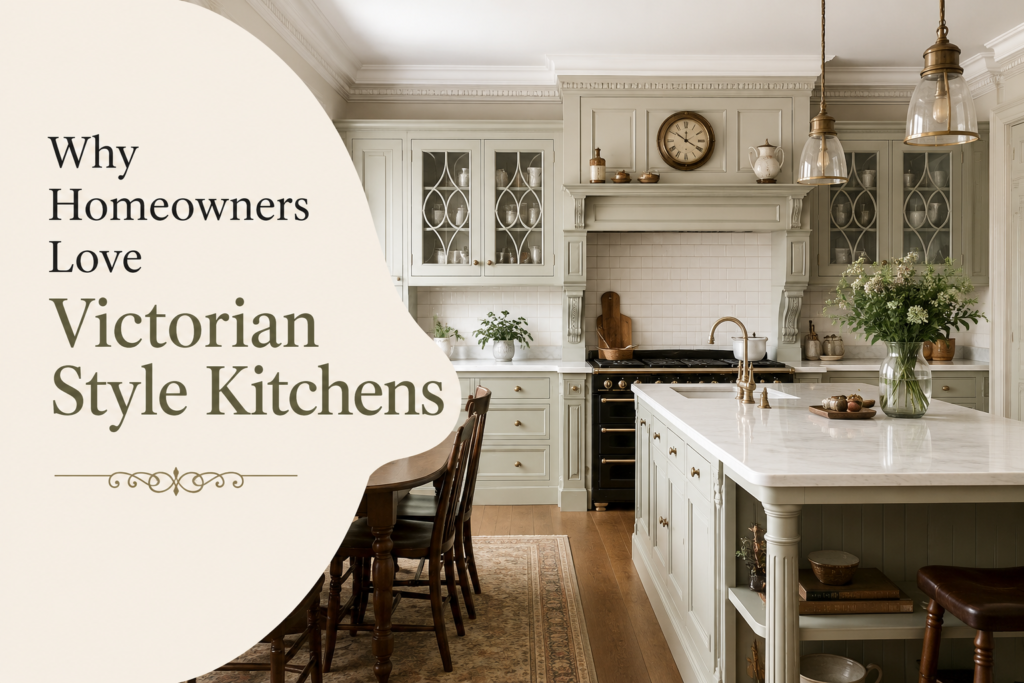
There’s something undeniably comforting about a kitchen that feels like it has a story to tell.
One homeowner described finally completing their Victorian-inspired renovation after months of planning. Friends gathered around the island, admired the warm wood tones, and asked if the kitchen had always been part of the original house. The answer was no—but the careful attention to period details made it feel as though it had always belonged.
That’s the magic of a Victorian style kitchen. It doesn’t just look beautiful; it creates a welcoming environment where family meals, conversations, and memories naturally unfold.
Beyond aesthetics, homeowners appreciate:
- Timeless appeal that doesn’t quickly go out of fashion.
- Exceptional storage with floor-to-ceiling cabinets and pantries.
- Durable materials that age gracefully.
- Improved home value thanks to high-quality finishes.
- A warm, inviting atmosphere that encourages gathering and entertaining.
Conclusion
A Victorian style kitchen is more than a design trend—it’s an investment in craftsmanship, character, and everyday comfort. By combining classic English design principles with modern functionality, you can create a space that feels elegant today and remains beautiful for years to come.
Whether you’re drawn to inset cabinets, marble countertops, brass hardware, or the charm of a butler’s pantry, every thoughtful choice contributes to a kitchen that is both practical and timeless. Start with a clear plan, invest in quality materials where your budget allows, and focus on details that reflect your personal style.
In the end, the most successful Victorian style kitchen isn’t simply one that looks authentic—it’s one that works beautifully for the way you live, cook, and gather with the people who matter most.
FAQ’S…
What is a Victorian style kitchen?
A Victorian style kitchen is inspired by homes from the Victorian era, featuring elegant cabinetry, decorative moldings, rich materials, vintage-style hardware, and timeless details. It combines traditional craftsmanship with practical functionality, creating a warm, sophisticated space that never goes out of style.
What are the colors for a Victorian kitchen?
Victorian kitchens typically feature classic colors such as cream, sage green, navy blue, deep burgundy, forest green, charcoal gray, and soft ivory. These shades are often paired with natural wood finishes, brass accents, or marble surfaces to create a timeless and elegant appearance.
What is the best layout for a Victorian kitchen?
The best Victorian kitchen layout depends on available space, but U-shaped, L-shaped, and galley layouts work particularly well. They provide efficient workflow while leaving room for decorative cabinetry, a farmhouse sink, and traditional features that reflect Victorian charm.
What is the new look for kitchens in 2026?
Kitchen trends in 2026 focus on blending classic design with modern convenience. Homeowners prefer natural materials, warm neutral colors, smart appliances, sustainable finishes, hidden storage, and timeless styles like Victorian-inspired cabinetry that offer lasting beauty rather than short-lived trends.
What are three characteristics of Victorian design?
Three defining characteristics of Victorian design are ornate decorative details, rich natural materials, and intricate craftsmanship. Features like crown molding, carved woodwork, patterned tiles, stained glass, and elegant hardware give Victorian interiors their distinctive, luxurious appearance.
What are the classic Victorian colors?
Classic Victorian colors include deep green, burgundy, navy blue, cream, ivory, dusty rose, mustard gold, and rich brown. These colors were traditionally used to create warmth, sophistication, and contrast while highlighting the decorative architectural details of Victorian interiors.